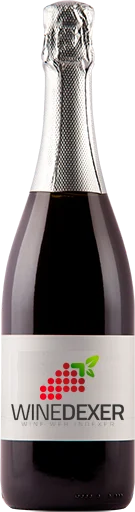
Winery Nettare dei SantiRiccardi Brut
 Sparkling wine


This wine generally goes well with pork, vegetarian or poultry.




Food and wine pairings with Riccardi Brut
Pairings that work perfectly with Riccardi Brut



Original food and wine pairings with Riccardi Brut



The Riccardi Brut of Winery Nettare dei Santi matches generally quite well with dishes of beef, lamb or pork such as recipes of oxtail with seed sauce, lamb in a crown with spring vegetables or eggs in meurette.
Details and technical informations about Winery Nettare dei Santi's Riccardi Brut.
Discover the grape variety: Chardonnay
The white Chardonnay is a grape variety that originated in France (Burgundy). It produces a variety of grape specially used for wine making. It is rare to find this grape to eat on our tables. This variety of grape is characterized by small bunches, and small grapes. White Chardonnay can be found in many vineyards: South West, Burgundy, Jura, Languedoc & Roussillon, Cognac, Bordeaux, Beaujolais, Savoie & Bugey, Loire Valley, Champagne, Rhone Valley, Armagnac, Lorraine, Alsace, Provence & Corsica.
Last vintages of this wine
The best vintages of Riccardi Brut from Winery Nettare dei Santi are 0
Informations about the Winery Nettare dei Santi
The Winery Nettare dei Santi is one of of the world's great estates. It offers 35 wines for sale in the of Lombardia to come and discover on site or to buy online.

The wine region of Lombardia
Lombardy is one of Italy's largest and most populous regions, located in the north-central Part of the country. It's home to a handful of popular and well-known wine styles, including the Bright, cherry-scented Valtellina and the high-quality Sparkling wines Franciacorta and Oltrepo Pavese Metodo Classico. Lombardy is Italy's industrial powerhouse, with the country's second largest city (Milan) as its regional capital. Despite this, the region has vast tracts of unspoiled countryside, home to many small wineries that produce a significant portion of the region's annual wine production of 1.
The word of the wine: Bâtonnage
A very old technique that has come back into fashion in modern oenology, which consists of shaking the white wine in the barrels at the end of fermentation, or after fermentation, with a stick or a flail, in order to suspend the fine lees composed of yeasts at the end of their activity. This process is sometimes used for red wines.