The Winery Neire of Castille-et-Léon

The Winery Neire is one of the best wineries to follow in Castille-et-Léon.. It offers 2 wines for sale in of Castille-et-Léon to come and discover on site or to buy online.
Looking for the best Winery Neire wines in Castille-et-Léon among all the wines in the region? Check out our tops of the best red, white or effervescent Winery Neire wines. Also find some food and wine pairings that may be suitable with the wines from this area. Learn more about the region and the Winery Neire wines with technical and enological descriptions.
How Winery Neire wines pair with each other generally quite well with dishes of pork, shellfish or vegetarian such as recipes of rougail sausage, lobster tail armorican style or vegan leek and tofu quiche.
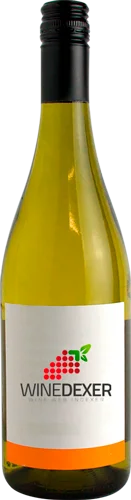
In the mouth the white wine of Winery Neire. is a with a nice freshness.
Located in the northern half of the Central Iberian plateau, Castilla y León is the largest of Spain's 17 administrative regions, covering about one-fifth of the country's total area. It extends about 350 kilometres (220 miles) from central Spain to the northern coast. Just as wide, it connects the Rioja wine region to the Portuguese border. Red wines reign supreme in Castilla y León, and the Tempranillo grape is undoubtedly the king.
It is known here by various synonyms, including Tinta del Pais, Tinto de Toro and Tinto Fino. It is the source of all the best wines in the region, with the exception of Bierzo, which makes good use of Mencia. The other grape varieties are the French varieties Cabernet Sauvignon, Merlot and Syrah. The white wines of Castilla y Léon are much less numerous than the reds, but hardly less prestigious.
Planning a wine route in the of Castille-et-Léon? Here are the wineries to visit and the winemakers to meet during your trip in search of wines similar to Winery Neire.
Etraire de la Dui is a black grape variety, originating from the department of Isère. It is so similar to the Persian that many people have difficulty differentiating between them. This resemblance has earned it the nickname "gros persan". This grape variety is now in danger of extinction. It is only cultivated on 10ha. The leaves of the Dui are large and have convex teeth. Its bunches and berries are generally large. A vigorous variety, it is quite productive and prefers a short pruning. This plant appreciates deep, clay-limestone soils. With an average budburst, it reaches maturity in the second half of the year. It fears winter frosts and is susceptible to shattering, especially when fully ripe. On the other hand, it defends itself well against powdery mildew and grey rot. This variety produces concentrated, colorful and tannic wines. Some of them are astringent when the grape variety is too ripe.