The Winery Nature Bound of Pays d'Oc
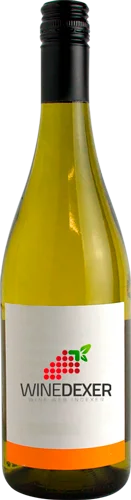
The Winery Nature Bound is one of the best wineries to follow in Pays d'Oc.. It offers 2 wines for sale in of Pays d'Oc to come and discover on site or to buy online.
Looking for the best Winery Nature Bound wines in Pays d'Oc among all the wines in the region? Check out our tops of the best red, white or effervescent Winery Nature Bound wines. Also find some food and wine pairings that may be suitable with the wines from this area. Learn more about the region and the Winery Nature Bound wines with technical and enological descriptions.
How Winery Nature Bound wines pair with each other generally quite well with dishes of pork, rich fish (salmon, tuna etc) or shellfish such as recipes of stuffed tomatoes, gratin of ravioli with salmon or mussels with white wine and tomato.
Pays d'Oc is the PGI for red, white and rosé wines that are produced over a wide area of the southern coast of France. The PGI catchment area corresponds roughly to the Languedoc-roussillon">Languedoc-Roussillon wine region, one of the largest wine regions in France. The area covers all wines that are not produced under the strict laws that govern AOC-level appellations in the regions: among them, Corbières, Minervois and the Languedoc appellation itself. The Pays d'Oc PGI is arguably the most important in France, producing the majority of the country's PGI wines.
Five separate departments fall under the PGI (Hérault, Aude, Gard, Pyrénées-Orientales and six communes in southern Lozère), which is delimited by administrative rather than geographical boundaries. The name therefore covers a wide variety of terrain, from the mountain ranges of the southern Massif Central to the coastal plains of the Camargue crossed by rivers. Vineyards jostle for position in the Garrigue landscape. The Pays d'Oc has a MediterraneanClimate with hot, Dry summers and mild winters.
How Winery Nature Bound wines pair with each other generally quite well with dishes of beef, lamb or spicy food such as recipes of stewed beef heart, sauté of lamb or haddock with curry cream.
Marsanne is a white grape variety that originated in Montélimar in the Drôme, several centuries ago. Marsanne is also found in Cassis, Savoie, Languedoc-Roussillon and Saint-Péray in the Ardèche, where it produces remarkable sparkling wines. The warm, sunny climate of the Rhone Valley, Languedoc-Roussillon and Provence, as well as the dry, stony soil, are ideal conditions for its development. Its bunches are quite large and provide small, juicy berries that are sensitive to grey rot and strong winds. These two grape varieties complement each other perfectly: together they give light wines with little acidity, aromas of yellow fruit, white fruit and flowers with notes of honey and liquorice. This is for example what the appellations Saint-Péray, Hermitage, Crozes-Hermitage, Saint-Joseph, Côtes-du-Vallée du Rhône, Corbières, or Cassis express... which represent about 700 hectares.
Planning a wine route in the of Pays d'Oc? Here are the wineries to visit and the winemakers to meet during your trip in search of wines similar to Winery Nature Bound.
The white Chardonnay is a grape variety that originated in France (Burgundy). It produces a variety of grape specially used for wine making. It is rare to find this grape to eat on our tables. This variety of grape is characterized by small bunches, and small grapes. White Chardonnay can be found in many vineyards: South West, Burgundy, Jura, Languedoc & Roussillon, Cognac, Bordeaux, Beaujolais, Savoie & Bugey, Loire Valley, Champagne, Rhone Valley, Armagnac, Lorraine, Alsace, Provence & Corsica.