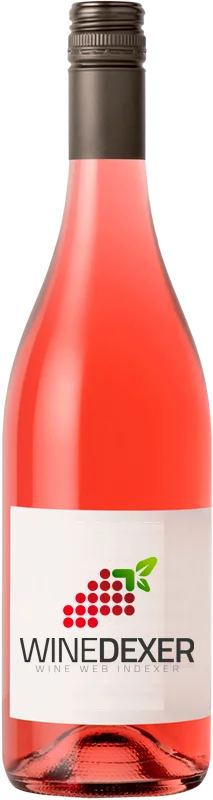
Winery NanaRosé
 Pink wine


This wine generally goes well with
The Rosé of the Winery Nana is in the top 20 of wines of Negev.
Wine flavors and olphactive analysis


On the nose the Rosé of Winery Nana in the region of Negev often reveals types of flavors of oak, citrus fruit or red fruit.
Details and technical informations about Winery Nana's Rosé.
Discover the grape variety: Crescent
A direct-producer hybrid of American origin resulting from an interspecific cross between Saint Pepin and Elmer Swenson 6-8-25 (vitis riparia X Hamburg muscatel) obtained in 1988 by Peter Hemstad and James Luby at the University of Minnesota Research Center (United States). It can also be found in Canada, Ukraine, Russia, etc. and is virtually unknown in France.
Last vintages of this wine
The best vintages of Rosé from Winery Nana are 2019, 0
Informations about the Winery Nana
The Winery Nana is one of of the world's greatest estates. It offers 12 wines for sale in the of Negev to come and discover on site or to buy online.

The wine region of Negev
Negev desert wine region of southern Israel is one of the warmest and driest Vineyard areas in the world. It Lies at a latitude of between 31 and 29 degrees North, on the fringes of the Syrian Desert. For a northern hemisphere wine region, this is remarkably close to the equator; just a few degrees closer and it would be deemed a tropical wine region. Negev only receives about 100mm (4 inches) of rain per year, much of which disappears in flash floods.
The word of the wine: Acidic (flavor)
Acidity is present in all wines, and is essential in white wines. It is due to the presence of different organic acids in the wine, and is expressed in the mouth by a sensation of freshness combined with other elements, such as minerality or a note of bitterness. Moderately present, it brings relief and vivacity to the wine.