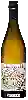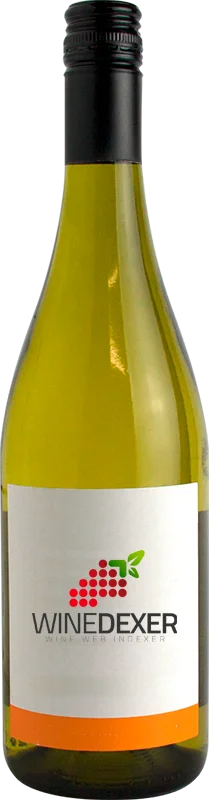
Winery MusslerFreinsheim Sauvignon Blanc Trocken
 White wine



In the mouth this white wine is a with a nice freshness.
This wine generally goes well with vegetarian, shellfish or goat cheese.

Taste structure of the Freinsheim Sauvignon Blanc Trocken from the Winery Mussler
Light | Bold | |
Dry | Sweet | |
Soft | Acidic |
In the mouth the Freinsheim Sauvignon Blanc Trocken of Winery Mussler in the region of Pfalz is a with a nice freshness.
Food and wine pairings with Freinsheim Sauvignon Blanc Trocken
Pairings that work perfectly with Freinsheim Sauvignon Blanc Trocken



Original food and wine pairings with Freinsheim Sauvignon Blanc Trocken
The Freinsheim Sauvignon Blanc Trocken of Winery Mussler matches generally quite well with dishes of shellfish, vegetarian or goat cheese such as recipes of spanish seafood paella, zucchini quiche or millefeuille with courgettes and goat cheese.
Details and technical informations about Winery Mussler's Freinsheim Sauvignon Blanc Trocken.
Discover the grape variety: Oeillade blanche
Simple, dry whites with a pale golden robe, a supple palate with moderate acidity, and undemonstrative aromas of citrus and white flowers. Discreet southern rustic profile. Almost extinct, preserved in INRAE varietal collections for its heritage value, bearing witness to the pre-phylloxera ampelographic diversity of the southern vineyard. Rare French white grape, formerly grown in Provence and the south-east.
Last vintages of this wine
The best vintages of Freinsheim Sauvignon Blanc Trocken from Winery Mussler are 0
Informations about the Winery Mussler
The Winery Mussler is one of of the world's great estates. It offers 58 wines for sale in the of Pfalz to come and discover on site or to buy online.

The wine region of Pfalz
Fleshy, dry, fruity Riesling is the region's signature: yellow peach, apricot, ripe citrus, lovely mineral tension. Germany's largest red-wine area (40%), with silky Spätburgunder showing red fruit and spice, darker structured Dornfelder, supple Portugieser. Some rounded Pinot Blanc and Pinot Gris. A 23,640 ha vineyard along the Haardt, among Germany's warmest (>2,000 h of sun).
The word of the wine: CM
Mention on the label of a champagne. It is a handling cooperative that produces on its own premises and markets under its own brand the wines made from the grapes harvested by its members.