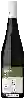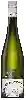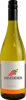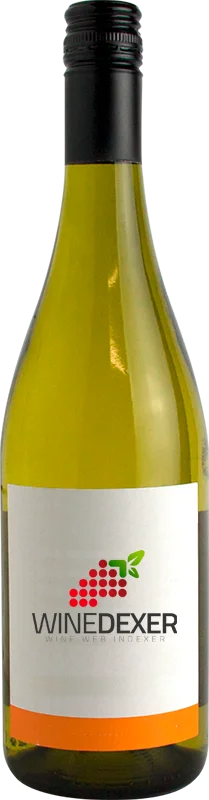
Winery Müller-GrossmannTake a Break
 White wine


In the mouth this white wine is a with a nice freshness.
This wine generally goes well with pork, vegetarian or poultry.

Taste structure of the Take a Break from the Winery Müller-Grossmann
Light | Bold | |
Dry | Sweet | |
Soft | Acidic |
In the mouth the Take a Break of Winery Müller-Grossmann in the region of Weinland is a with a nice freshness.
Food and wine pairings with Take a Break
Pairings that work perfectly with Take a Break



Original food and wine pairings with Take a Break


The Take a Break of Winery Müller-Grossmann matches generally quite well with dishes of pork, vegetarian or poultry such as recipes of creole chipolatas, quiche with leeks and fresh salmon from flo or moroccan chicken tagine.
Details and technical informations about Winery Müller-Grossmann's Take a Break.
Discover the grape variety: Abondance
Simple, fresh dry whites with a pale golden robe, a supple palate and moderate acidity. Understated aromas of citrus and alpine white flowers. Rustic, productive profile. Preserved for its heritage value in varietal conservatories, it no longer contributes to commercial production. Not to be confused with the Abondant. An ancient native white grape from Savoy, once grown in Savoy and the Isère valley, now nearly extinct.
Last vintages of this wine

The best vintages of Take a Break from Winery Müller-Grossmann are 2016, 0, 2017
Informations about the Winery Müller-Grossmann
The Winery Müller-Grossmann is one of of the world's greatest estates. It offers 18 wines for sale in the of Kremstal to come and discover on site or to buy online.

The wine region of Kremstal
Austrian treasure of Lower Austria around Krems: signature Grüner Veltliner DAC reigns in whites — vibrant and spicy with citrus (lemon, grapefruit), green apple, stone fruit and its signature white pepper, taut acidity. Delicate, mineral Riesling with peach, citrus, apricot and gunflint on the crystalline terraces of Stein, great ageing. DAC (2007) between the Wachau and Kamptal, a mosaic of gneiss to the west, deep loess to the east and conglomerates to the south.
The wine region of Weinland
Vast German-speaking region in north-eastern Switzerland, the country's largest production area. Signature Pinot Noir (Blauburgunder): fine, fresh reds with notes of cherry, raspberry, undergrowth and sweet spices, silky tannins. Elegant, delicate style, often barrel-aged. Also light, floral Müller-Thurgau (Riesling-Sylvaner), lively, lemony native Räuschling, ample Pinot Gris.
The word of the wine: Apogee
This period varies greatly depending on the type of wine and the vintage, and corresponds to the optimum quality of a wine. After the peak comes the decline.