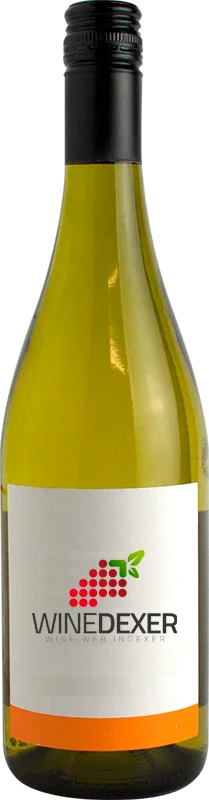
Winery Μπαραφάκα (Barafakas)Αμπέλου Ιδέα Λευκό (Ampelou Idea White)
 White wine



This wine generally goes well with
Details and technical informations about Winery Μπαραφάκα (Barafakas)'s Αμπέλου Ιδέα Λευκό (Ampelou Idea White).
Discover the grape variety: Gold
Intraspecific crossing between A 3-94 (Hamburg Muscat x Sultana) and California K 3-78 (Hamburg Muscat x Queen of the Vines) obtained in the United States (California) in 1958 by Harold Paul Olmo (1909/2006). It can also be found in Greece, Cyprus, etc.
Last vintages of this wine
The best vintages of Αμπέλου Ιδέα Λευκό (Ampelou Idea White) from Winery Μπαραφάκα (Barafakas) are 0
Informations about the Winery Μπαραφάκα (Barafakas)
The Winery Μπαραφάκα (Barafakas) is one of of the world's greatest estates. It offers 12 wines for sale in the of Nemea to come and discover on site or to buy online.

The wine region of Nemea
The wine region of Nemea is located in the region of Argolida of Peloponnesos of Greece. Wineries and vineyards like the Aivalis Winery or the Domaine Papaioannou (Παπαϊωάννου) produce mainly wines red, white and pink. The most planted grape varieties in the region of Nemea are Agiorgitiko, Moschofilero and Assyrtiko, they are then used in wines in blends or as a single variety. On the nose of Nemea often reveals types of flavors of cherry, prune or cream and sometimes also flavors of oregano, almonds or mint.
The wine region of Peloponnesos
The Peloponnese Peninsula (Peloponnesus) is a large landform on the southern edge of continental Greece. Covered in mountains, rugged plateaus and valleys, the area has an abundance of mesoClimates and terroirs suitable for premium viticulture. Native Grape varieties such as Agiorgitiko, Moschofilero and Mavrodaphne are planted throughout the peninsula. They produce everything from fresh, minerally white wines to Rich, ageworthy reds.
The word of the wine: Disorder
Said of a wine that is not clear due to the presence of colloidal suspensions that prevent the passage of light.