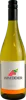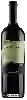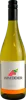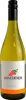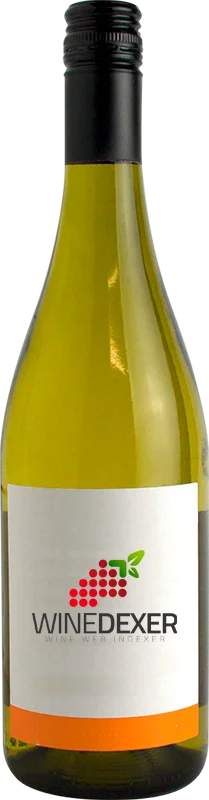
Winery MorrisonsVerdicchio dei Castelli di Jesi Classico
 White wine
This wine generally goes well with vegetarian, appetizers and snacks or lean fish.
Food and wine pairings with Verdicchio dei Castelli di Jesi Classico
Pairings that work perfectly with Verdicchio dei Castelli di Jesi Classico



Original food and wine pairings with Verdicchio dei Castelli di Jesi Classico


The Verdicchio dei Castelli di Jesi Classico of Winery Morrisons matches generally quite well with dishes of pasta, vegetarian or appetizers and snacks such as recipes of lasagne with two salmons, quiche without eggs or apple chips.
Details and technical informations about Winery Morrisons's Verdicchio dei Castelli di Jesi Classico.
Discover the grape variety: Muska noir
Interspecific crossing, obtained in South Africa in the 1960s by E.P. Evans, between the isabelle and the 15 Pirovano (madeleine angevine X bellino). It should be noted that from this crossing was also born the pirobella.
Informations about the Winery Morrisons
The Winery Morrisons is one of of the world's great estates. It offers 60 wines for sale in the of Verdicchio dei Castelli di Jesi to come and discover on site or to buy online.

The wine region of Verdicchio dei Castelli di Jesi
The wine region of Verdicchio dei Castelli di Jesi is located in the region of Marches of Italy. Wineries and vineyards like the Domaine Fattoria San Lorenzo or the Domaine Azienda Santa Barbara - Stefano Antonucci produce mainly wines white, sparkling and sweet. The most planted grape varieties in the region of Verdicchio dei Castelli di Jesi are Chardonnay, Cortese and Pecorino, they are then used in wines in blends or as a single variety. On the nose of Verdicchio dei Castelli di Jesi often reveals types of flavors of citrus, nectarine or chalk and sometimes also flavors of cheese, raisin or plum.
The wine region of Marche
Marche (or Le Marche; pronounced Mar-kay) is a region in eastern CentralItaly. It is most associated with white wines made from Trebbiano and Verdicchio grapes. Marche occupies a roughly triangular area. Its longer sides are formed by the Apennine Mountains to the west and the Adriatic Sea to the east.
The word of the wine: Lactic (acid)
Acid obtained by malolactic fermentation.