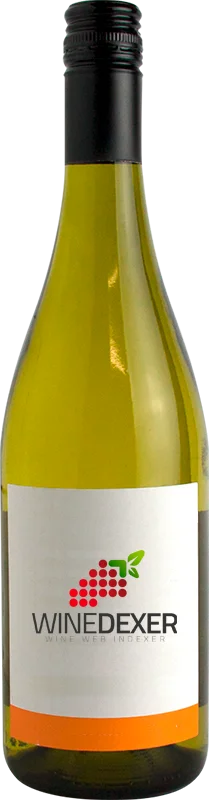
Winery MontevertineToscana Bianco
 White wine
In the mouth this white wine is a with a nice freshness.
This wine generally goes well with vegetarian, appetizers and snacks or lean fish.

Taste structure of the Toscana Bianco from the Winery Montevertine
Light | Bold | |
Dry | Sweet | |
Soft | Acidic |
In the mouth the Toscana Bianco of Winery Montevertine in the region of Tuscany is a with a nice freshness.
Food and wine pairings with Toscana Bianco
Pairings that work perfectly with Toscana Bianco



Original food and wine pairings with Toscana Bianco


The Toscana Bianco of Winery Montevertine matches generally quite well with dishes of pasta, vegetarian or appetizers and snacks such as recipes of tagliatelle with spinach cream, quiche without pastry or preparation of the olives (black olives in brine).
Details and technical informations about Winery Montevertine's Toscana Bianco.
Discover the grape variety: Cayuga
Aromatic whites in dry and off-dry styles, with a pale golden hue, lively acidity and fruity aromas of apple, pear, muscat notes and floral hints. Cold and disease resistant. Grown in the north-eastern United States (New York, Finger Lakes), it adapts to continental wine climates and is used for dry and off-dry whites. American hybrid white grape obtained in 1972 by Cornell University, a cross of Seyval blanc × Schuyler.
Informations about the Winery Montevertine
The Winery Montevertine is one of of the world's greatest estates. It offers 13 wines for sale in the of Tuscany to come and discover on site or to buy online.

The wine region of Tuscany
Kingdom of Sangiovese: upright reds with cherry, plum, dried herbs and leather, lively acidity and firm tannins. Fleshy, food-friendly Chianti Classico DOCG, deep long-ageing Brunello di Montalcino (spice, tobacco, ripe black fruit), elegant Vino Nobile di Montepulciano. On the coast, Bolgheri crafts the opulent Cabernet- and Merlot-based 'Super Tuscans'. Some fresh white Vernaccia.
The word of the wine: Consistency
In tasting, it is the equivalent of chewing (the chewiness of a tannic red wine is also mentioned). We then speak of firmness, fluidity, softness, hardness, and why not the crunchiness of an early wine by reference to the grape.