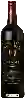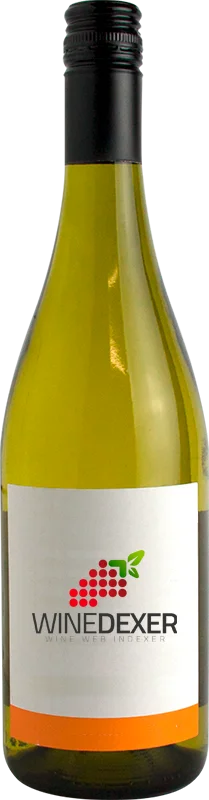
Château Haut GuillebotBordeaux Blanc
 White wine



In the mouth this white wine is a powerful.
This wine generally goes well with pork, vegetarian or poultry.

Taste structure of the Bordeaux Blanc from the Château Haut Guillebot
Light | Bold | |
Dry | Sweet | |
Soft | Acidic |
In the mouth the Bordeaux Blanc of Château Haut Guillebot in the region of Bordeaux is a powerful.
Wine flavors and olphactive analysis




On the nose the Bordeaux Blanc of Château Haut Guillebot in the region of Bordeaux often reveals types of flavors of grapefruit, citrus or apples and sometimes also flavors of green apple, minerality or apricot.
Food and wine pairings with Bordeaux Blanc
Pairings that work perfectly with Bordeaux Blanc



Original food and wine pairings with Bordeaux Blanc


The Bordeaux Blanc of Château Haut Guillebot matches generally quite well with dishes of pork, vegetarian or poultry such as recipes of suckling pig leg in the oven, mushroom, bacon and gruyere quiche or blue cord.
Details and technical informations about Château Haut Guillebot's Bordeaux Blanc.
Discover the grape variety: Herbemont
Simple whites or rosés with the typical foxy taste of a hybrid, a pale golden to rosé robe, a supple palate and preserved acidity, with aromas of red fruits, raspberry, flowers and herbal notes. Phylloxera-resistant. One of the six hybrids banned in France since 1935 (alongside Clinton, Jacquez, Noah). Still present in heritage gardens of the South-West and Cévennes. American hybrid derived from Vitis aestivalis, discovered around 1810 by Nicholas Herbemont.
Last vintages of this wine
The best vintages of Bordeaux Blanc from Château Haut Guillebot are 2016, 2017, 2014, 2015
Informations about the Château Haut Guillebot
The Château Haut Guillebot is one of of the world's greatest estates. It offers 20 wines for sale in the of Bordeaux to come and discover on site or to buy online.

The wine region of Bordeaux
World-renowned age-worthy reds, led by round Merlot (plum, black fruit) or firm Cabernet Sauvignon (blackcurrant, cedar, graphite), blended with Cabernet Franc and Petit Verdot for tannic structure. Structured Médoc and Graves, velvety Saint-Émilion and Pomerol. Also crisp dry whites (Sauvignon/Sémillon) and opulent sweet Sauternes with honey and candied fruit. A 110,000 ha Gironde vineyard, 65 appellations, cradle of the 1855 classified growths.
The word of the wine: VDN
Natural sweet wine. Wine obtained by mutage of the must during fermentation by adding over-finished alcohol at 96 °, produced in the vineyards of Roussillon, Languedoc, Rhone Valley and Corsica.