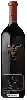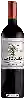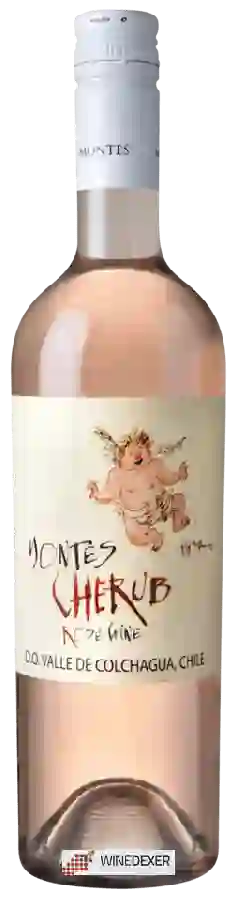
Winery MontesCherub (Syrah) Rosé
 Pink wine



This wine generally goes well with beef, lamb or mature and hard cheese.
The Cherub (Syrah) Rosé of the Winery Montes is in the top 90 of wines of Colchagua Valley.

Wine flavors and olphactive analysis






On the nose the Cherub (Syrah) Rosé of Winery Montes in the region of Central Valley often reveals types of flavors of non oak, earth or microbio and sometimes also flavors of vegetal, oak or tree fruit.
Food and wine pairings with Cherub (Syrah) Rosé
Pairings that work perfectly with Cherub (Syrah) Rosé



Original food and wine pairings with Cherub (Syrah) Rosé

The Cherub (Syrah) Rosé of Winery Montes matches generally quite well with dishes of beef, lamb or spicy food such as recipes of pasta al forno (baked pasta), lamb tagine with broad beans or mullet with onions and white wine.
Details and technical informations about Winery Montes's Cherub (Syrah) Rosé.
Discover the grape variety: Dauphine
Simple, fresh dry whites with a pale golden robe, a supple palate with moderate acidity and undemonstrative aromas of citrus and white flowers. Discreet rustic profile. Preserved in some ampelographic collections, one of the ancient heritage varieties whose commercial diffusion has almost disappeared, studied for its genetic and historical interest. Rare, little-documented white grape grown in negligible quantities.
Last vintages of this wine
The best vintages of Cherub (Syrah) Rosé from Winery Montes are 2001, 2019, 2018, 2017 and 2015.
Informations about the Winery Montes
The Winery Montes is one of of the world's great estates. It offers 107 wines for sale in the of Colchagua Valley to come and discover on site or to buy online.

The wine region of Colchagua Valley
Chilean powerhouse of bold reds: signature Carménère as red king — opulent and velvety with notes of ripe plum, blackberry, grilled pepper, smoked paprika and a chocolate-spice touch, coated tannins and bursting fruit. Structured Cabernet Sauvignon (blackcurrant, cedar, eucalyptus) is the star complement. Fleshy Syrah, supple Merlot and dense Malbec in reds. DO sub-valley of the Rapel south of Santiago, Mediterranean climate between Andes and Pacific.
The wine region of Central Valley
Heart of modern Chilean wine: structured, sunny reds, dense, blackcurranty Cabernet Sauvignon from Maipo (Chilean cradle of the grape), signature Carménère with notes of ripe pepper, black fruit and sweet spices from Colchagua, supple Merlot and deep Syrah. Round Chardonnay whites and lively, sharp Sauvignon. Mediterranean climate, 400 km between Andes and Pacific. Star sub-regions: Maipo, Cachapoal, Colchagua, Curicó, Maule.
The word of the wine: Tanin
A natural compound contained in the skin of the grape, the seed or the woody part of the bunch, the stalk. The maceration of red wines allows the extraction of tannins, which give the texture, the solidity and also the mellowness when the tannins are "ripe". The winemaker seeks above all to extract the tannins from the skin, the ripest and most noble. The tannins of the seed or stalk, which are "greener", especially in average years, give the wine hardness and astringency. The wines of Bordeaux (based on Cabernet and Merlot) are full of tannins, those of Burgundy much less so, with Pinot Noir containing little.