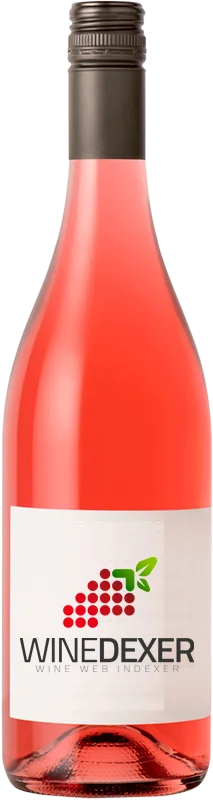
Winery Mont TauchLe Dog de Roselyne Rosé
 Pink wine
This wine generally goes well with vegetarian, appetizers and snacks or lean fish.

Food and wine pairings with Le Dog de Roselyne Rosé
Pairings that work perfectly with Le Dog de Roselyne Rosé



Original food and wine pairings with Le Dog de Roselyne Rosé


The Le Dog de Roselyne Rosé of Winery Mont Tauch matches generally quite well with dishes of pasta, vegetarian or appetizers and snacks such as recipes of chicken wok with chinese noodles, tuna, pepper and tomato quiche or bacon-gruyere-tomato cake.
Details and technical informations about Winery Mont Tauch's Le Dog de Roselyne Rosé.
Discover the grape variety: Fer
Structured, colourful reds with a deep purple robe, firm, tight tannins and an ample palate with preserved acidity. Signature aromas of black fruits (blackcurrant, blackberry), red pepper, spice and herbal notes. Age-worthy profile. Star of great Aveyron reds (Marcillac), Gaillac reds (Braucol) and Béarnais reds (Pinenc), expressing the schist terroirs of south-west France. A native French black grape (synonym Fer Servadou), pillar of the south-west.
Informations about the Winery Mont Tauch
The Winery Mont Tauch is one of wineries to follow in Pays d'Oc.. It offers 194 wines for sale in the of Pays d'Oc to come and discover on site or to buy online.

The wine region of Pays d'Oc
The single-grape IGP par excellence: modern, accessible, frank and fruity wines, the popular signature of the Midi. Spicy Syrah reds (pepper, blackberry), round Merlot, structured Cabernet, generous Grenache, supple Cinsault. Crisp, tangy rosés. Opulent Chardonnay whites, lively Sauvignon, floral, apricoty Viognier.
The word of the wine: Mutage
The act of adding alcohol to a fresh grape must or to a fermenting must.