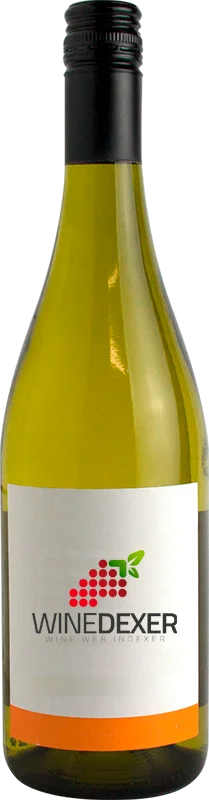
Winery MocandundaFiano
 White wine


This wine generally goes well with

Wine flavors and olphactive analysis

On the nose the Fiano of Winery Mocandunda in the region of Australie du Sud often reveals types of flavors of oak, citrus fruit.
Details and technical informations about Winery Mocandunda's Fiano.
Discover the grape variety: Terret
Polymorphic family (blanc, gris and noir, mutations of the same variety) yielding crisp, saline whites with citrus, white flowers, fennel and iodine notes, or light fruity reds. Refreshing palate with preserved acidity under warm conditions. Traditional component of Picpoul de Pinet AOC, present in Languedoc, Côtes-du-Rhône AOC and Châteauneuf-du-Pape AOC (terret noir authorised). Very old Languedoc autochthonous variety, signature of Mediterranean coastal terroirs.
Last vintages of this wine
The best vintages of Fiano from Winery Mocandunda are 0
Informations about the Winery Mocandunda
The Winery Mocandunda is one of of the world's greatest estates. It offers 5 wines for sale in the of Clare Valley to come and discover on site or to buy online.

The wine region of Clare Valley
Australian reference for racy high-altitude Riesling (Mid North, 142 km north of Adelaide): the white king, austere when young — dry and mineral with notes of lime, orange blossom, crisp apple and a flint touch, taut acidity and exceptional ageing (5-7 years to decades). Signature Shiraz in reds (35%), powerful with notes of blackberry, plum, spices and a minty touch. Firm Cabernet as support. Cool climate, red-brown soils.
The wine region of Australie du Sud
Cradle of the great Australian Shiraz: powerful, sun-drenched reds with notes of blackberry, candied plum, pepper, chocolate and eucalyptus, ample tannins and vibrant fruit (Barossa, McLaren Vale). Firm, minty Cabernet Sauvignon on Coonawarra (terra rossa). Dry, lemony Riesling from Clare and Eden Valley, straight and taut. Fresh Sauvignon and Chardonnay from Adelaide Hills.
The word of the wine: Effervescent
Any wine loaded with CO2 (carbon dioxide), which is revealed in the form of bubbles, reinforcing the freshness effect in the mouth. This gas production is the result of what is called the second fermentation in the bottle. It occurs in champagnes and sparkling wines such as crémants.