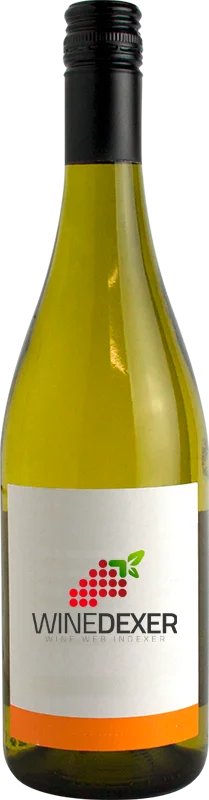
Winery Miroslav DudoVeltlínske Zelené
 White wine



This wine generally goes well with pork, vegetarian or lean fish.

Wine flavors and olphactive analysis



On the nose the Veltlínske Zelené of Winery Miroslav Dudo in the region of Slovakia often reveals types of flavors of vegetal, tree fruit or spices and sometimes also flavors of citrus fruit.
Food and wine pairings with Veltlínske Zelené
Pairings that work perfectly with Veltlínske Zelené



Original food and wine pairings with Veltlínske Zelené



The Veltlínske Zelené of Winery Miroslav Dudo matches generally quite well with dishes of pork, rich fish (salmon, tuna etc) or shellfish such as recipes of chicken blanquette, toasted bagel with smoked salmon or paella de marisco (seafood paella).
Details and technical informations about Winery Miroslav Dudo's Veltlínske Zelené.
Discover the grape variety: Beaunoir
Light, fruity reds with a clear ruby robe, silky tannins and a supple palate, with unassuming aromas of red fruits (cherry, raspberry), soft spices and floral notes. Airy profile to drink young. Preserved in INRAE varietal collections, it reflects the ampelographic diversity of ancient Burgundy and Jura viticulture. Rare, near-extinct native French black grape from Burgundy and the Jura.
Last vintages of this wine
The best vintages of Veltlínske Zelené from Winery Miroslav Dudo are 0, 2017
Informations about the Winery Miroslav Dudo
The Winery Miroslav Dudo is one of of the world's greatest estates. It offers 20 wines for sale in the of Slovakia to come and discover on site or to buy online.

The wine region of Slovakia
Central European vineyard dominated by whites (75%). Signature Veltlínske Zelené (Grüner Veltliner): lively, peppery whites with notes of green apple, citrus, fresh herbs and a touch of white pepper. Fresh, lemony Welschriesling, supple Müller-Thurgau, round Pinot Blanc, mineral Riesling. Slovak Tokaj (907 ha shared with Hungary): sweet botrytised Furmint (honey, dried apricot, quince).
The word of the wine: Tertiary aromas
Aromas resulting from the aging of the wine in the bottle. The aromas evolve with time, from fresh fruitiness to notes of stewed, candied or dried fruit, to aromas of venison or undergrowth.