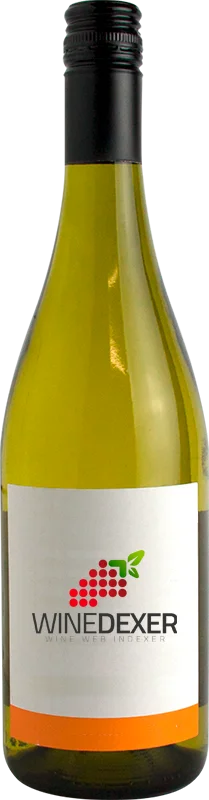
Winery MimiFetească Albă
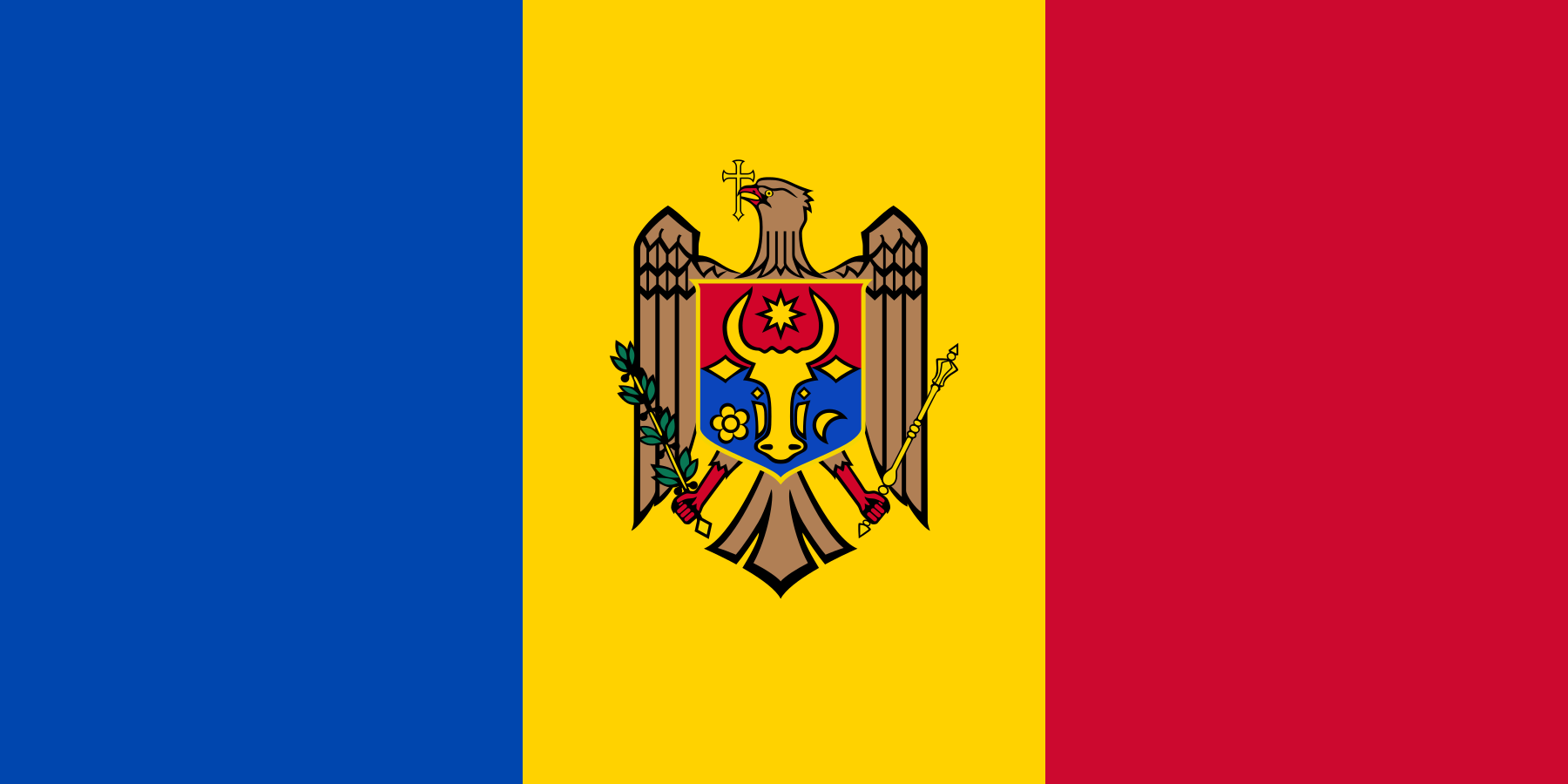 White wine



This wine generally goes well with

Wine flavors and olphactive analysis




On the nose the Fetească Albă of Winery Mimi in the region of Moldavie often reveals types of flavors of earth, tree fruit or citrus fruit and sometimes also flavors of tropical fruit.
Details and technical informations about Winery Mimi's Fetească Albă.
Discover the grape variety: Iona
Simple, aromatic whites with a pale golden robe, a supple palate with preserved acidity. Characteristic foxy aromas of Vitis labrusca (wild strawberry, wild raspberry). Early ripening, cold-hardy. Grown in the north-eastern United States and Canada (Ontario) for simple wines, local sparkling wines and fresh consumption. An American white hybrid derived from Vitis labrusca, discovered around 1855 in New York State.
Last vintages of this wine
The best vintages of Fetească Albă from Winery Mimi are 2015, 2018, 0, 2017 and 2016.
Informations about the Winery Mimi
The Winery Mimi is one of of the world's greatest estates. It offers 44 wines for sale in the of Moldavie to come and discover on site or to buy online.

The wine region of Moldavie
Ancestral vineyard with identity grapes. Fetească Neagră, great Moldovan red reference: deep with notes of ripe plum, black cherry, spice and tobacco, melted tannins. Lighter, more floral Rară Neagră (Băbească). Dense tinctorial Saperavi.
The word of the wine: Methuselah
Bottle with a capacity of 6 litres (synonymous with imperial).