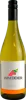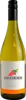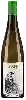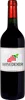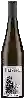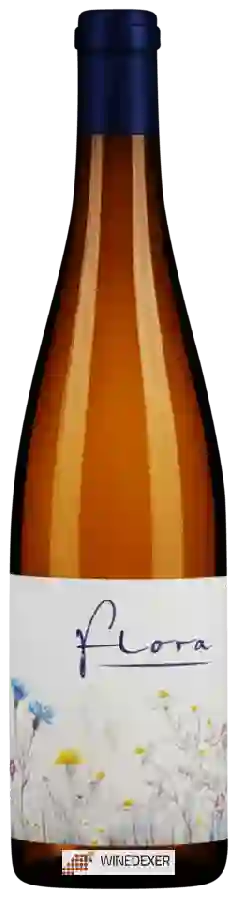
Winery Michael GindlFlora
 White wine


This wine generally goes well with

Wine flavors and olphactive analysis





On the nose the Flora of Winery Michael Gindl in the region of Weinland often reveals types of flavors of non oak, earth or microbio and sometimes also flavors of vegetal, oak or tree fruit.
Details and technical informations about Winery Michael Gindl's Flora.
Discover the grape variety: Xinomavro
Structured, taut reds with a clear ruby robe that quickly evolves towards tawny, firm tannins and sharp high acidity (hence its name, xino-mavro = acid-black), with aromas of red cherry, sun-dried tomato, black olive, dried herbs, spice, leather and balsamic notes. Fine ageing potential, often compared to Nebbiolo. Absolute star of Naoussa PDO in Greek Macedonia, also Amyndeo PDO. Very late-ripening autochthonous Greek variety.
Last vintages of this wine

The best vintages of Flora from Winery Michael Gindl are 2019, 2018, 2017, 0 and 2016.
Informations about the Winery Michael Gindl
The Winery Michael Gindl is one of of the world's greatest estates. It offers 17 wines for sale in the of Niederösterreich to come and discover on site or to buy online.

The wine region of Niederösterreich
Homeland of Grüner Veltliner: Austria's signature dry whites, lively, peppery ("Pfefferl"), with notes of citrus, green apple, fennel and fine minerality, from crunchy everyday to great age-worthy bottles on lees. Taut, precise Riesling on the Wachau terraces (UNESCO). Quieter reds: supple Zweigelt with red fruit. Subregions: Wachau, Kremstal, Kamptal, Wagram, Weinviertel.
The wine region of Weinland
Vast German-speaking region in north-eastern Switzerland, the country's largest production area. Signature Pinot Noir (Blauburgunder): fine, fresh reds with notes of cherry, raspberry, undergrowth and sweet spices, silky tannins. Elegant, delicate style, often barrel-aged. Also light, floral Müller-Thurgau (Riesling-Sylvaner), lively, lemony native Räuschling, ample Pinot Gris.
The word of the wine: Tanin
A natural compound contained in the skin of the grape, the seed or the woody part of the bunch, the stalk. The maceration of red wines allows the extraction of tannins, which give the texture, the solidity and also the mellowness when the tannins are "ripe". The winemaker seeks above all to extract the tannins from the skin, the ripest and most noble. The tannins of the seed or stalk, which are "greener", especially in average years, give the wine hardness and astringency. The wines of Bordeaux (based on Cabernet and Merlot) are full of tannins, those of Burgundy much less so, with Pinot Noir containing little.