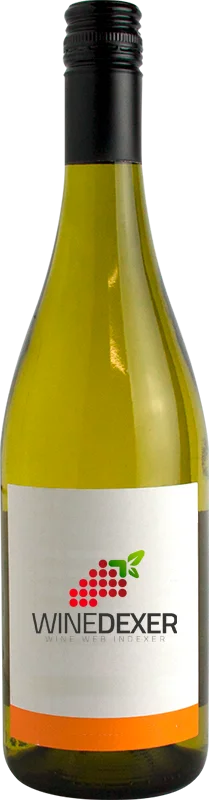
Winery MetzenRivaner Halbtrocken
 White wine
In the mouth this white wine is a .
This wine generally goes well with vegetarian, appetizers and snacks or lean fish.
Taste structure of the Rivaner Halbtrocken from the Winery Metzen
Light | Bold | |
Dry | Sweet | |
Soft | Acidic |
In the mouth the Rivaner Halbtrocken of Winery Metzen in the region of Mosel is a .
Food and wine pairings with Rivaner Halbtrocken
Pairings that work perfectly with Rivaner Halbtrocken



Original food and wine pairings with Rivaner Halbtrocken


The Rivaner Halbtrocken of Winery Metzen matches generally quite well with dishes of shellfish, spicy food or vegetarian such as recipes of paella for dummies (simple and delicious), piperade or quiche with bacon and gruyère cheese.
Details and technical informations about Winery Metzen's Rivaner Halbtrocken.
Discover the grape variety: Completer
Very old vine cultivated in Switzerland (canton of Grisons) where writings relating its presence were found in Malans dating from 1321, its origin would however be Italian. It is related to the white humagne, the bondola bianca, the bondoletta, the marzemino and the lafnetscha its mother. It should be noted that the Completer is today little multiplied in Switzerland, almost unknown in France and even less in the other wine-producing countries.
Informations about the Winery Metzen
The Winery Metzen is one of of the world's greatest estates. It offers 6 wines for sale in the of Mosel to come and discover on site or to buy online.

The wine region of Mosel
Mosel is the most famous of Germany's 13 official wine regions, and also the third largest in terms of production. As with many German regions, it is most aasociated with a range of wine styles made from the Riesling grape variety, but Müller-Thurgau is also widely planted. The best Mosel Riesling wines are some of the finest whites in the world. Light and low in Alcohol, they can be intensely fragrant with beguiling Floral">floral and Mineral notes, and a wonderful Balance of sweetness and Acidity.
The word of the wine: Grafting
A method used since the phylloxera crisis, consisting of fixing a graft of local origin on a rootstock resistant to phylloxera.