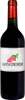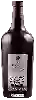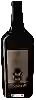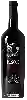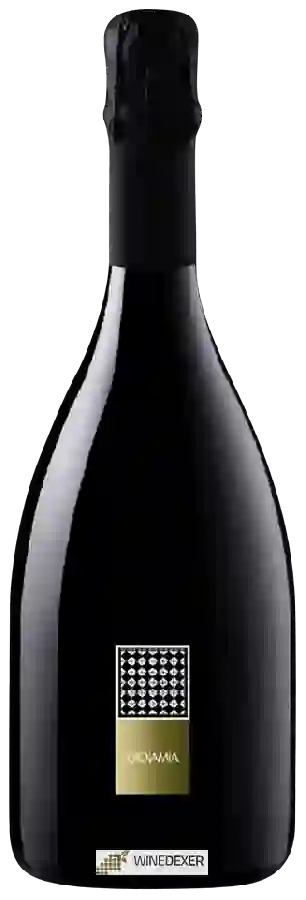
Winery MesaGioiamia
 Sparkling wine



This wine is a blend of 2 varietals which are the Chardonnay and the Vermentino.
This wine generally goes well with pork, vegetarian or poultry.
The Gioiamia of the Winery Mesa is in the top 70 of wines of Sardinia.

Wine flavors and olphactive analysis


On the nose the Gioiamia of Winery Mesa in the region of Sardinia often reveals types of flavors of microbio.
Food and wine pairings with Gioiamia
Pairings that work perfectly with Gioiamia



Original food and wine pairings with Gioiamia

The Gioiamia of Winery Mesa matches generally quite well with dishes of pork, rich fish (salmon, tuna etc) or vegetarian such as recipes of quiche with bacon and gruyère cheese, tahitian style raw fish or light tuna-tomato quiche (without cream).
Details and technical informations about Winery Mesa's Gioiamia.
Discover the grape variety: Chardonnay
Whites with many faces: mineral and taut at Chablis (lemon, green apple, flint), opulent and buttery at Meursault and Puligny-Montrachet (hazelnut, brioche, yellow fruits), tense and chalky in Champagne (Blanc de Blancs). Also vinified sparkling and widely exported (Sonoma, Margaret River, Casablanca). A Burgundian variety, a cross of Pinot Noir × Gouais Blanc, half-sibling of Aligoté.
Last vintages of this wine
The best vintages of Gioiamia from Winery Mesa are 2015, 0
Informations about the Winery Mesa
The Winery Mesa is one of of the world's great estates. It offers 23 wines for sale in the of Sardinia to come and discover on site or to buy online.

The wine region of Sardinia
Italian Mediterranean wine island with 250+ varieties, strong native identity. Signature Cannonau (Grenache) in red: warm and deep with signature ripe cherry, garrigue, myrtle, spice and a balsamic touch, round tannins and a sun-drenched palate. Vermentino di Gallura DOCG star white (80% of Italian Vermentino): fresh and saline (citrus, pear, almond, sea iodine). Also dense Carignan, supple Monica, lively Nuragus, rare oxidative Vernaccia di Oristano.
The word of the wine: Deposit
Solid particles that can naturally coat the bottom of a bottle of wine. It is rather a guarantee that the wine has not been mistreated: in fact, to avoid the natural deposit, rather violent processes of filtration or cold passage (- 7 or - 8 °C) are used in order to precipitate the tartar (the small white crystals that some people confuse with crystallized sugar: just taste to dissuade you from it)