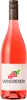
Winery Meophams (Meopham Valley)Brut
 wine
wine
This wine generally goes well with
The Brut of the Winery Meophams (Meopham Valley) is in the top 0 of wines of Kent.

Details and technical informations about Winery Meophams (Meopham Valley)'s Brut.
Discover the grape variety: Pavana
Light and fruity reds with a clear ruby colour, soft tannins and supple palate, with simple aromas of red fruit (cherry, raspberry), spices and floral notes. An airy and confidential profile. Grown in small quantities in the province of Vicenza, preserved for its heritage value among rare Venetian autochthonous varieties. An indigenous Italian black variety from Veneto, studied for its genetic interest among ancient north-eastern Italian grape varieties.
Informations about the Winery Meophams (Meopham Valley)
The Winery Meophams (Meopham Valley) is one of of the world's greatest estates. It offers 6 wines for sale in the of Kent to come and discover on site or to buy online.

The wine region of Kent
Southeastern English county, ~25% of the British vineyard, chalky North Downs soils comparable to Champagne, temperate maritime climate. Signature metodo classico sparklers: Chardonnay-Pinot Noir-Pinot Meunier blend with fine bubbles, pale robe, notes of green apple, citrus, brioche, hazelnut and chalky touch, lively palate — modern English reference. Bacchus as taut floral white (grapefruit, elderflower, boxwood). Chapel Down, Gusbourne flagships.
The wine region of England
Quality renaissance of English wine, signature in traditional-method sparklers. On chalk soils identical to Champagne's (South-East), fine, taut bubbles with signature notes of green apple, lemon, white flowers, brioche and chalk, the vivid acidity of a cool climate. Based on Chardonnay, Pinot Noir and Meunier. Still wines a minority: aromatic Bacchus (elderflower, cut grass — the English identity), fresh Pinot Noir.
The word of the wine: Reassembly
During the vinification process, a "cap" is formed at the top of the vats with the solid parts (skin, pulp, pips, etc.), which contain tannins and colouring elements. Pumping over consists of emptying the vat from the bottom and pouring the juice back to the top, in order to mix the cap and the juice and to favour the exchange and the extraction. This old technique allows a better exchange between the solid parts and the liquid.