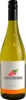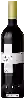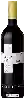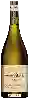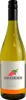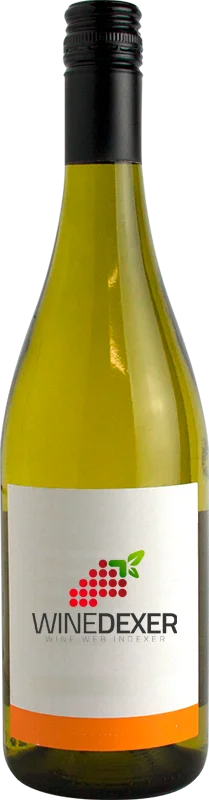
Winery MazzottaPrimo Sauvignon Blanc
 White wine
In the mouth this white wine is a with a nice freshness.
This wine generally goes well with vegetarian, shellfish or goat cheese.
Taste structure of the Primo Sauvignon Blanc from the Winery Mazzotta
Light | Bold | |
Dry | Sweet | |
Soft | Acidic |
In the mouth the Primo Sauvignon Blanc of Winery Mazzotta in the region of Mendoza is a with a nice freshness.
Food and wine pairings with Primo Sauvignon Blanc
Pairings that work perfectly with Primo Sauvignon Blanc



Original food and wine pairings with Primo Sauvignon Blanc
The Primo Sauvignon Blanc of Winery Mazzotta matches generally quite well with dishes of shellfish, vegetarian or goat cheese such as recipes of mi sao, goat cheese and bacon quiche or goat cheese and chorizo quiche.
Details and technical informations about Winery Mazzotta's Primo Sauvignon Blanc.
Discover the grape variety: Arbanne
A very old grape variety that would have found its first origins in the Gier Valley and brought to the north-east of France in the Aube department, among others. Today it is very little multiplied, but it is registered in the Official Catalogue of wine grape varieties, list A1.
Informations about the Winery Mazzotta
The Winery Mazzotta is one of of the world's great estates. It offers 17 wines for sale in the of Mendoza to come and discover on site or to buy online.

The wine region of Mendoza
Mendoza is by far the largest wine region in Argentina. Located on a high-altitude plateau at the edge of the Andes Mountains, the province is responsible for roughly 70 percent of the country's annual wine production. The French Grape variety Malbec has its New World home in the vineyards of Mendoza, producing red wines of great concentration and intensity. The province Lies on the western edge of Argentina, across the Andes Mountains from Chile.
The word of the wine: Drawing (liqueur de)
In champagne and sparkling wines of traditional method, addition to the wine, at the time of bottling (tirage) of sugars and yeasts dissolved in wine. These components will provoke the second fermentation in the bottle leading to the formation of carbon dioxide bubbles.