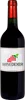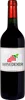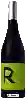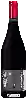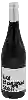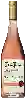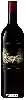
Winery MazièreCarignan
 Red wine


This wine generally goes well with beef and spicy food.
The Carignan of the Winery Mazière is in the top 40 of wines of Vin de France.

Wine flavors and olphactive analysis




On the nose the Carignan of Winery Mazière in the region of Vin de France often reveals types of flavors of cherry, red fruit or caramel and sometimes also flavors of non oak, earth or oak.
Food and wine pairings with Carignan
Pairings that work perfectly with Carignan


Original food and wine pairings with Carignan
The Carignan of Winery Mazière matches generally quite well with dishes of beef or spicy food such as recipes of oxtail with seed sauce or traditional tunisian couscous.
Details and technical informations about Winery Mazière's Carignan.
Discover the grape variety: Impératriz
A table grape with long bunches and golden berries with thin skin and juicy flesh, delivering a pleasant sweet flavour. Early-ripening. Very rarely vinified. Now rare, surviving in a few amateur gardens and ampelographic collections. A witness to French table-grape heritage, it is among the ancient varieties preserved for their patrimonial interest. A French white table grape, once cultivated for fresh consumption.
Last vintages of this wine

The best vintages of Carignan from Winery Mazière are 2014, 2015, 2013
Informations about the Winery Mazière
The Winery Mazière is one of of the world's greatest estates. It offers 4 wines for sale in the of Vin de France to come and discover on site or to buy online.

The wine region of Vin de France
The freest category of French wine, the playground of winemakers working outside the AOC. All styles combined: fruity reds, lively or ambitious whites, everyday rosés, unusual blends, natural wines, atypical grapes (Petit Manseng in Languedoc, Riesling in Provence), experimental winemaking (skin-contact whites, no sulphur). Grape and vintage labelling allowed, no geographic constraint. From the pop, convivial cuvée to the artisan gem: freedom in a bottle.
The word of the wine: Amylic
Aroma reminiscent of banana, candy, and sometimes nail polish, particularly present in primeur wines. The amylic taste is reminiscent of the aromas of industrial confectionery and does not reflect a great expression of terroir.