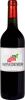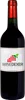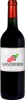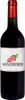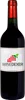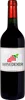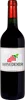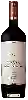
Winery MawidaReserva Sauvignon Blanc
 White wine


In the mouth this white wine is a with a nice freshness.
This wine generally goes well with vegetarian, shellfish or goat cheese.
Taste structure of the Reserva Sauvignon Blanc from the Winery Mawida
Light | Bold | |
Dry | Sweet | |
Soft | Acidic |
In the mouth the Reserva Sauvignon Blanc of Winery Mawida in the region of Central Valley is a with a nice freshness.
Food and wine pairings with Reserva Sauvignon Blanc
Pairings that work perfectly with Reserva Sauvignon Blanc



Original food and wine pairings with Reserva Sauvignon Blanc
The Reserva Sauvignon Blanc of Winery Mawida matches generally quite well with dishes of shellfish, vegetarian or goat cheese such as recipes of blanquette of the sea, leek, goat cheese and bacon quiche or potato, coppa and goat cheese gratin.
Details and technical informations about Winery Mawida's Reserva Sauvignon Blanc.
Discover the grape variety: Petit brun
The petit brun is a black grape variety that is becoming rarer. It is found particularly in Provence, where it is one of the many other grape varieties that make up the reputation of this region. It is probably of Italian origin and is used to make the best red wines. It is known as "brun des Hautes Alpes". In order to be more productive, the vine needs to be pruned short and develops perfectly when it is well exposed. In France, Petit Brun is one of the secondary grape varieties used in the Palette appellations. The AOC Palette is considered the oldest in Provence. The wine made from petit brun is a dark red, particularly tannic. It gives off aromas of undergrowth and a floral scent. In the wines of Château Crémade, the petit brun gives them an exceptional subtlety.
Last vintages of this wine
The best vintages of Reserva Sauvignon Blanc from Winery Mawida are 0
Informations about the Winery Mawida
The Winery Mawida is one of of the world's great estates. It offers 11 wines for sale in the of Curico Valley to come and discover on site or to buy online.

The wine region of Curico Valley
Curicó Valley is a wine-producing region in CentralChile, located roughly 115 miles (185km) South of the Chilean capital, Santiago. It is divided into two sub-regions: Teno in the North and Lontue Valley in the south. The Curicó is known for its reliable, good value everyday wines, Particularly the reds made from Cabernet Sauvignon and whites from Sauvignon Blanc and Chardonnay. Curicó's vineyards are planted with more varieties than anywhere else in Chile.
The wine region of Central Valley
The Central Valley (El Valle Central) of Chile is one of the most important wine-producing areas in South America in terms of Volume. It is also one of the largest wine regions, stretching from the Maipo Valley (just south of Santiago) to the southern end of the Maule Valley. This is a distance of almost 250 miles (400km) and covers a number of Climate types. The Central Valley wine region is easily (and often) confused with the geological Central Valley, which runs north–south for more than 620 miles (1000km) between the Pacific Coastal Ranges and the lower Andes.
The word of the wine: Collar
The upper, cylindrical part of the bottle. Sales of wine bottles are generally expressed in number of bottles.