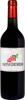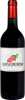
Winery Mas SauvyAntipodes
 Red wine



In the mouth this red wine is a powerful with a nice balance between acidity and tannins.
This wine generally goes well with beef, veal or pasta.

Taste structure of the Antipodes from the Winery Mas Sauvy
Light | Bold | |
Smooth | Tannic | |
Dry | Sweet | |
Soft | Acidic |
In the mouth the Antipodes of Winery Mas Sauvy in the region of Pays d'Oc is a powerful with a nice balance between acidity and tannins.
Food and wine pairings with Antipodes
Pairings that work perfectly with Antipodes



Original food and wine pairings with Antipodes
The Antipodes of Winery Mas Sauvy matches generally quite well with dishes of beef, pasta or veal such as recipes of braised beef with carrots, pad thai or sauté of veal with tomato.
Details and technical informations about Winery Mas Sauvy's Antipodes.
Discover the grape variety: Aledo
Table grape with long bunches and juicy, crunchy golden berries, firm flesh and a neutral sweet flavour, prized for its exceptional shelf life. Late ripening. Grown mainly for end-of-year consumption (Christmas grape) in the Vinalopó (Alicante), it benefits from the IGP Uva de Mesa Embolsada del Vinalopó. Spanish white table grape variety, native to the Valencia and Alicante region.
Last vintages of this wine
The best vintages of Antipodes from Winery Mas Sauvy are 0
Informations about the Winery Mas Sauvy
The Winery Mas Sauvy is one of of the world's greatest estates. It offers 13 wines for sale in the of Pays d'Oc to come and discover on site or to buy online.

The wine region of Pays d'Oc
The single-grape IGP par excellence: modern, accessible, frank and fruity wines, the popular signature of the Midi. Spicy Syrah reds (pepper, blackberry), round Merlot, structured Cabernet, generous Grenache, supple Cinsault. Crisp, tangy rosés. Opulent Chardonnay whites, lively Sauvignon, floral, apricoty Viognier.
The word of the wine: Rough
A very astringent and somewhat coarse tannic wine.