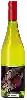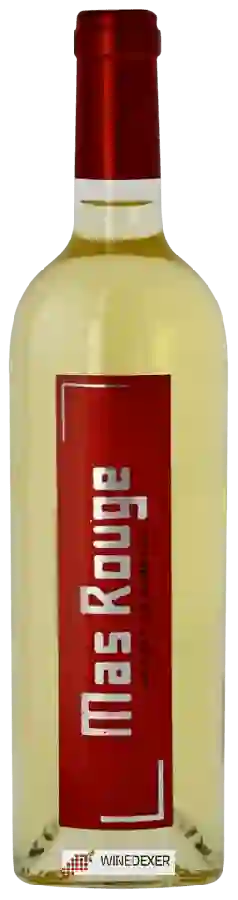
Winery Mas RougeMuscat de Mireval
 Natural sweet wine



This wine generally goes well with spicy food and sweet desserts.

Food and wine pairings with Muscat de Mireval
Pairings that work perfectly with Muscat de Mireval


Original food and wine pairings with Muscat de Mireval
The Muscat de Mireval of Winery Mas Rouge matches generally quite well with dishes of spicy food or sweet desserts such as recipes of pad thai or traditional pastry flan.
Details and technical informations about Winery Mas Rouge's Muscat de Mireval.
Discover the grape variety: Corinthe
Emblematic raisin of the Peloponnese (currants), with small seedless grapes of intensely coloured, thin-skinned berries with concentrated sweet flesh. Rarely vinified. Grown in Greece, Australia and California, used almost exclusively for the production of traditional Greek raisins used in pastry and cooking, emblematic of ancestral Aegean viticulture. Greek seedless white variety, grown mainly for Corinth raisins.
Informations about the Winery Mas Rouge
The Winery Mas Rouge is one of of the world's greatest estates. It offers 13 wines for sale in the of Languedoc to come and discover on site or to buy online.

The wine region of Languedoc
Sunny, generous southern reds: spicy, peppery Syrah, round, candied Grenache (ripe fruit, garrigue), deep Mourvèdre, structured Carignan, supple Cinsault. From robust Corbières and Minervois to fresher Terrasses du Larzac, via Faugères on schist or taut Pic Saint-Loup. Lively, iodised Picpoul de Pinet whites (oysters), ample Roussanne and Marsanne. 14 sub-appellations, ~10,000 ha in regional AOC.
The wine region of Languedoc-Roussillon
Largest single French vineyard, dominated by sunny, generous reds. Spicy Syrah, candied Grenache (ripe fruit, garrigue), structured Carignan, deep Mourvèdre, supple Cinsault. Stars: structured Corbières, Minervois, Faugères, Saint-Chinian; round Côtes-du-Roussillon. Legendary vins doux naturels: Banyuls and Maury (fortified Grenache) with notes of cocoa, fig, prune.
The word of the wine: Oenology
The science of the oenologist, which is essentially concerned with the elaboration and maturation of wines.