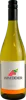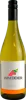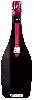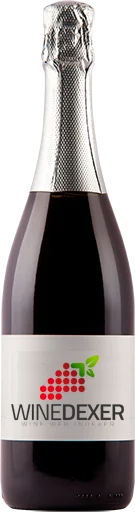
Winery Mas Dels ClaversMètode Ancestral
 Sparkling wine
This wine is a blend of 2 varietals which are the Parellada and the Xarello.
In the mouth this sparkling wine is a with fine and regular bubbles.
This wine generally goes well with appetizers and snacks, lean fish or shellfish.

Taste structure of the Mètode Ancestral from the Winery Mas Dels Clavers
Light | Bold | |
Soft | Acidic | |
Gentle | Fizzy |
In the mouth the Mètode Ancestral of Winery Mas Dels Clavers in the region of Catalogne is a with fine and regular bubbles.
Food and wine pairings with Mètode Ancestral
Pairings that work perfectly with Mètode Ancestral



Original food and wine pairings with Mètode Ancestral

The Mètode Ancestral of Winery Mas Dels Clavers matches generally quite well with dishes of shellfish, appetizers and snacks or lean fish such as recipes of shrimp risotto with curry, goat's cheese sandwich with honey or medallion of white fish with shrimp sauce.
Discover the grape variety: Parellada
Lively, elegant whites with finely chiselled acidity and a light palate, with aromas of lemon, green apple, white flowers, fresh herbs and discreet mineral notes. Brings freshness and aromatic finesse to Cava DO blends (with macabeo and xarel-lo), defining the taut identity of Catalan sparkling wines. Also as light still whites in Penedès DO and Conca de Barberà DO. Native Catalan variety grown at altitude.
Informations about the Winery Mas Dels Clavers
The Winery Mas Dels Clavers is one of of the world's great estates. It offers 7 wines for sale in the of Catalogne to come and discover on site or to buy online.

The wine region of Catalogne
Cradle of Cava (~95% of Spanish output, traditional method): Macabeo, Xarel-lo, Parellada trilogy, fine fruity bubble. Quality peak in Priorat DOCa: dense, mineral reds on llicorella (schist), old-vine Garnacha and Cariñena with black fruit, garrigue notes, firm tannins. Also Penedès, fleshy Montsant, sunny Empordà, Costers del Segre. Mediterranean.
The word of the wine: Oenologist
Specialist in wine-making techniques. It is a profession and not a passion: one can be an oenophile without being an oenologist (and the opposite too!). Formerly attached to the Faculty of Pharmacy, oenology studies have become independent and have their own university course. Learning to make wine requires a good chemical background but also, increasingly, a good knowledge of the plant. Some oenologists work in laboratories (analysis). Others, the consulting oenologists, work directly in the properties.