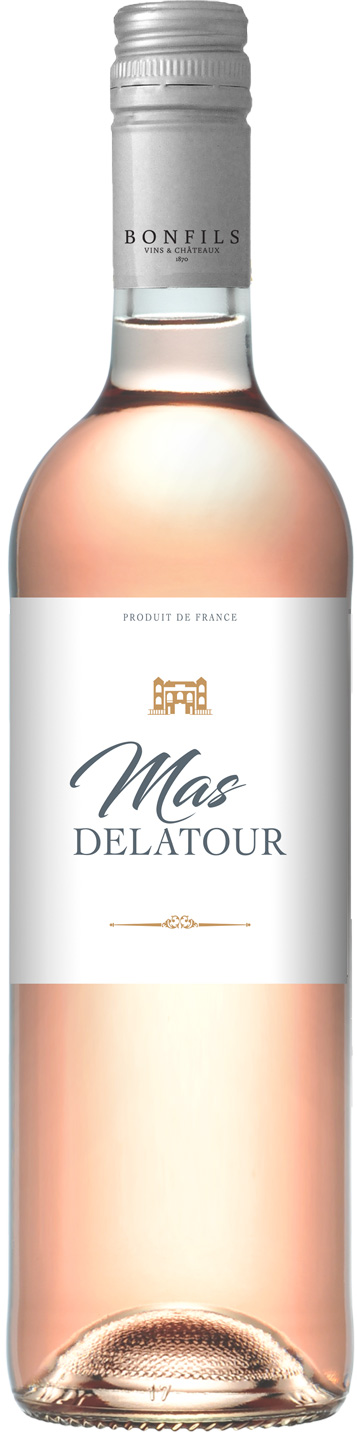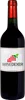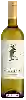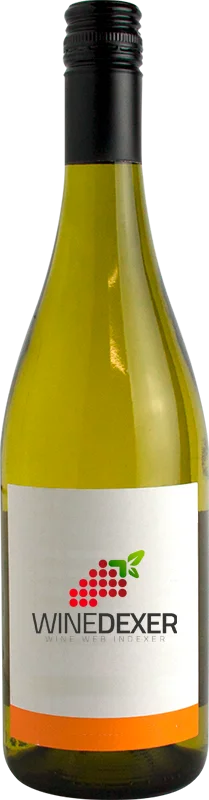
Domaine Mas de la TourBlanc
 White wine


In the mouth this white wine is a .
This wine generally goes well with vegetarian, poultry or lean fish.

Taste structure of the Blanc from the Domaine Mas de la Tour
Light | Bold | |
Dry | Sweet | |
Soft | Acidic |
In the mouth the Blanc of Domaine Mas de la Tour in the region of Pays d'Oc is a .
Wine flavors and olphactive analysis


On the nose the Blanc of Domaine Mas de la Tour in the region of Pays d'Oc often reveals types of flavors of microbio, oak.
Food and wine pairings with Blanc
Pairings that work perfectly with Blanc



Original food and wine pairings with Blanc


The Blanc of Domaine Mas de la Tour matches generally quite well with dishes of pasta, vegetarian or poultry such as recipes of lasagna calabrese, quiche with bacon and gruyère cheese or chicken risotto with curry.
Details and technical informations about Domaine Mas de la Tour's Blanc.
Discover the grape variety: Dindarella
Light, delicate reds with a pale ruby robe, soft tannins and an airy palate, with signature aromas of cherry, violet, strawberry and floral notes. Elegant, fruity profile. Traditionally blended in small proportions in Valpolicella DOC, today sometimes vinified as a single variety in IGT Veneto for artisan cuvées. Autochthonous black variety from the Veneto, grown in the Valpolicella region.
Last vintages of this wine
The best vintages of Blanc from Domaine Mas de la Tour are 2015, 2014, 2016, 2013
Informations about the Domaine Mas de la Tour
The Domaine Mas de la Tour is one of of the world's greatest estates. It offers 10 wines for sale in the of Pays d'Oc to come and discover on site or to buy online.

The wine region of Pays d'Oc
The single-grape IGP par excellence: modern, accessible, frank and fruity wines, the popular signature of the Midi. Spicy Syrah reds (pepper, blackberry), round Merlot, structured Cabernet, generous Grenache, supple Cinsault. Crisp, tangy rosés. Opulent Chardonnay whites, lively Sauvignon, floral, apricoty Viognier.
The word of the wine: Castle
A term often used to designate wineries, even if they do not have a real castle.