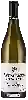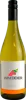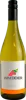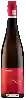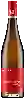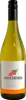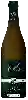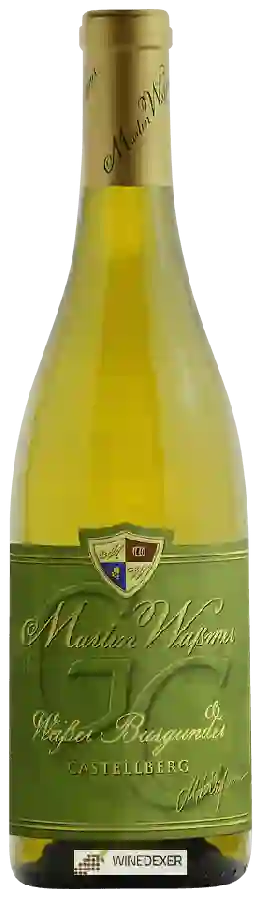
Winery Martin WaßmerCastellberg Weisser Burgunder
 White wine


In the mouth this white wine is a with a nice freshness.
This wine generally goes well with rich fish (salmon, tuna etc), shellfish or mild and soft cheese.
Taste structure of the Castellberg Weisser Burgunder from the Winery Martin Waßmer
Light | Bold | |
Dry | Sweet | |
Soft | Acidic |
In the mouth the Castellberg Weisser Burgunder of Winery Martin Waßmer in the region of Baden is a with a nice freshness.
Food and wine pairings with Castellberg Weisser Burgunder
Pairings that work perfectly with Castellberg Weisser Burgunder



Original food and wine pairings with Castellberg Weisser Burgunder

The Castellberg Weisser Burgunder of Winery Martin Waßmer matches generally quite well with dishes of rich fish (salmon, tuna etc), shellfish or mild and soft cheese such as recipes of garba ( ivory coast ), koskera hake (basque country) or melanzane.
Details and technical informations about Winery Martin Waßmer's Castellberg Weisser Burgunder.
Discover the grape variety: Montepulciano
A very old grape variety, most likely originating in Italy, now cultivated mainly in the central and central-eastern parts of this country, registered in France in the Official Catalogue of wine grape varieties, list A1. Montepulciano has long been confused with sangiovese or nielluccio, an A.D.N. analysis has shown that it is different.
Last vintages of this wine
The best vintages of Castellberg Weisser Burgunder from Winery Martin Waßmer are 2014
Informations about the Winery Martin Waßmer
The Winery Martin Waßmer is one of of the world's great estates. It offers 53 wines for sale in the of Baden to come and discover on site or to buy online.

The wine region of Baden
Baden is the southernmost of Germany's 13 official wine regions. It is also the warmest. Its relatively sunny, DryClimate permits the production of good-quality Spätburgunder (Pinot Noir) and ripe, relatively Full-bodied">Full-bodied examples of Grauburgunder (Pinot Gris) and Weissburgunder (Pinot Blanc). These are often made in oaked styles.
The word of the wine: Maceration
Prolonged contact and exchange between the juice and the grape solids, especially the skin. Not to be confused with the time of fermentation, which follows maceration. The juice becomes loaded with colouring matter and tannins, and acquires aromas. For a rosé, the maceration is short so that the colour does not "rise" too much. For white wines too, a "pellicular maceration" can be practised, which allows the wine to acquire more fat.