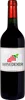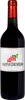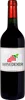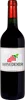
Winery Marsovin1919 Gellewza
 Red wine


This wine generally goes well with
The 1919 Gellewza of the Winery Marsovin is in the top 10 of wines of Malta and in the top 10 of wines of Malta.
Wine flavors and olphactive analysis




On the nose the 1919 Gellewza of Winery Marsovin in the region of Malta often reveals types of flavors of non oak, earth or oak and sometimes also flavors of spices, red fruit or black fruit.
Details and technical informations about Winery Marsovin's 1919 Gellewza.
Discover the grape variety: Plant droit
Plant droit noir is a grape variety that originated in France (Provence). It produces a variety of grape specially used for wine making. It is rare to find this grape to eat on our tables. This variety of grape is characterized by medium-sized bunches and medium-sized grapes. The Plant droit noir can be found in several vineyards: South-West, Cognac, Bordeaux, Provence & Corsica, Rhone valley, Loire valley, Savoie & Bugey, Beaujolais, Languedoc & Roussillon.
Last vintages of this wine

The best vintages of 1919 Gellewza from Winery Marsovin are 2017, 0, 2016, 2015 and 2014.
Informations about the Winery Marsovin
The Winery Marsovin is one of of the world's greatest estates. It offers 132 wines for sale in the of Malta to come and discover on site or to buy online.

The wine region of Malta
Mediterranean archipelago south of Sicily (DOK Malta and Gozo), limestone soils, dry windy climate. Two rare indigenous signatures. Girgentina in light, fresh whites (green apple, citrus, white flowers, almond, saline touch), often blended with Chardonnay. Ġellewża in round, fruity reds (cherry, raspberry, plum, spice), supple tannins — made into sparkling rosés or blended with Syrah/Cabernet.
The word of the wine: Viscosity
Consistency of wine reminiscent of the tactile sensation of sugar syrup with varying degrees of fluidity, due to the alcohol and natural sugar in the grapes present in sweet wines. In excess, this sensation can make the wine pasty and heavy. To the eye, viscosity is referred to as tears.