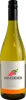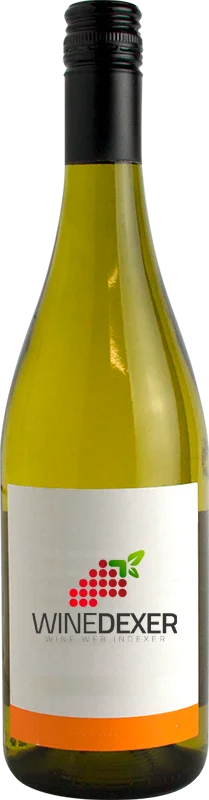
Winery Μαρκόγιαννη (Markogianni)Vorias & Helios Orange Assyrtiko
 White wine



This wine generally goes well with

Wine flavors and olphactive analysis




On the nose the Vorias & Helios Orange Assyrtiko of Winery Μαρκόγιαννη (Markogianni) in the region of Peloponnesos often reveals types of flavors of earth, microbio or vegetal and sometimes also flavors of tree fruit, citrus fruit.
Details and technical informations about Winery Μαρκόγιαννη (Markogianni)'s Vorias & Helios Orange Assyrtiko.
Discover the grape variety: Assyrtiko
Taut and mineral whites with exceptional cutting acidity and a lean palate, on intense aromas of lemon, grapefruit, green apple, white flowers, smoke and strongly marked volcanic saline-iodine notes. Fine ageing potential. The absolute star of Santorini PDO on the volcanic soils of the Cyclades (vines trained in kouloura baskets to protect against wind). Now exported to Australia, California and South Africa. Native Greek variety.
Last vintages of this wine
The best vintages of Vorias & Helios Orange Assyrtiko from Winery Μαρκόγιαννη (Markogianni) are 2020, 0
Informations about the Winery Μαρκόγιαννη (Markogianni)
The Winery Μαρκόγιαννη (Markogianni) is one of of the world's greatest estates. It offers 11 wines for sale in the of Peloponnesos to come and discover on site or to buy online.

The wine region of Peloponnesos
Southern Greece, the country's 2nd region by volume, high-altitude vineyards (200-900 m). Signature Agiorgitiko at Nemea ("Hercules' Blood"): deep ruby reds with signature notes of black cherry, plum, blackberry, sweet spices and a balsamic touch, supple tannins and a velvety palate — fleshy and accessible. At Mantinia (600 m), pink-skinned Moschofilero gives aromatic whites (rose, citrus, white flowers). Sweet fortified Mavrodaphne, fresh Roditis.
The word of the wine: Phylloxera
Aphid that came from America and ravaged European vineyards at the end of the 19th century. It lives on the roots of the vine, from which it pumps the sap. The only vines capable of resisting it had to be imported from the United States, and then grafted onto their root system the wood of traditional French grape varieties. Today, grafted vines are always planted.