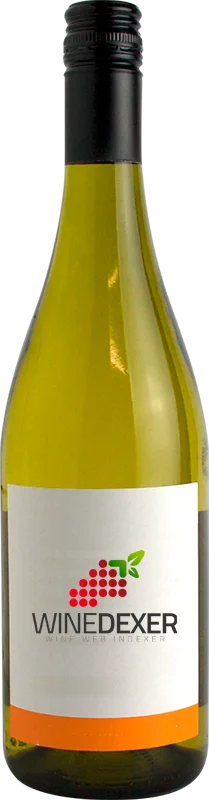
Winery Marco NovoRoero Arneis
 White wine


In the mouth this white wine is a powerful.
This wine generally goes well with lean fish, shellfish or mature and hard cheese.

Taste structure of the Roero Arneis from the Winery Marco Novo
Light | Bold | |
Dry | Sweet | |
Soft | Acidic |
In the mouth the Roero Arneis of Winery Marco Novo in the region of Piedmont is a powerful.
Food and wine pairings with Roero Arneis
Pairings that work perfectly with Roero Arneis



Original food and wine pairings with Roero Arneis


The Roero Arneis of Winery Marco Novo matches generally quite well with dishes of pasta, shellfish or mature and hard cheese such as recipes of homemade italian lasagna, spaghetti with squid ink (italy) or mashed potatoes with spinach and 2 salmon.
Details and technical informations about Winery Marco Novo's Roero Arneis.
Discover the grape variety: Băbească neagră
Light reds with a pale ruby robe, soft tannins and a lively, airy palate, with signature aromas of fresh red fruits (cherry, strawberry, raspberry) and floral notes. Accessible thirst-quenching profile. Star of the AOC Băbească de Nicorești in Romanian Moldova; one of the oldest Romanian varieties; a typical expression of the Moldavian hillsides. Indigenous black variety from Romanian Moldova, grown mainly in Nicorești.
Last vintages of this wine

The best vintages of Roero Arneis from Winery Marco Novo are 0, 2013
Informations about the Winery Marco Novo
The Winery Marco Novo is one of of the world's greatest estates. It offers 4 wines for sale in the of Piedmont to come and discover on site or to buy online.

The wine region of Piedmont
Kingdom of Nebbiolo: Barolo and Barbaresco DOCG, long-ageing reds with firm tannins and lively acidity, complex aromas of withered rose, sour cherry, tar, truffle and undergrowth. More accessible, tangy Barbera on red fruit, supple, crisp Dolcetto. Sweet, floral sparkling Moscato d'Asti, mineral, lemony Gavi (Cortese) white, round, almondy Arneis from Roero. 50,000 ha across the Langhe, Roero and Monferrato, UNESCO.
The word of the wine: Chaptalization
The addition of sugar at the time of fermentation of the must, an ancient practice, but theorized by Jean-Antoine Chaptal at the dawn of the 19th century. The sugar is transformed into alcohol and allows the natural degree of the wine to be raised in a weak or cold year, or - more questionably - when the winegrower has a harvest that is too large to obtain good maturity.