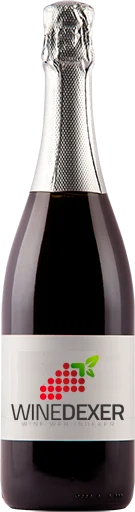
Winery Marchese di CerivoMoscato
 Sparkling wine


This wine generally goes well with sweet desserts
Food and wine pairings with Moscato
Pairings that work perfectly with Moscato

Original food and wine pairings with Moscato
The Moscato of Winery Marchese di Cerivo matches generally quite well with dishes of sweet desserts such as recipes of grandma's cherry clafoutis.
Details and technical informations about Winery Marchese di Cerivo's Moscato.
Discover the grape variety: Roi des noirs
Interspecific crossing between 29 Seibel (70 jeager x Vitis Vinifera unknown) and the danugue made by Eugène Contassot, who would have given the seeds of the harvested grapes to Albert Seibel (1844-1936). The King of the Blacks has been widely cultivated, particularly in southwestern France and in the center-west, where we have found and photographed it. It was used several times as a sire by Albert Seibel, rubilande or 11803 Seibel is a good example.
Last vintages of this wine
The best vintages of Moscato from Winery Marchese di Cerivo are 2011, 0
Informations about the Winery Marchese di Cerivo
The Winery Marchese di Cerivo is one of of the world's greatest estates. It offers 45 wines for sale in the of Piedmont to come and discover on site or to buy online.

The wine region of Piedmont
Piedmont (Piemonte) holds an unrivalled place among the world's finest wine regions. Located in northwestern Italy, it is home to more DOCG wines than any other Italian region, including such well-known and respected names as Barolo, Barbaresco and Barbera d'Asti. Though famous for its Austere, Tannic, Floral">floral reds made from Nebbiolo, Piedmont's biggest success story in the past decade has been Moscato d'Asti, a Sweet, Sparkling white wine. Piedmont Lies, as its name suggests, at the foot of the Western Alps, which encircle its northern and western sides and form its naturally formidable border with Provence, France.
The word of the wine: Aranean
The underside of a grape leaf blade covered with tiny hairs distributed in a web-like pattern.