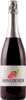
Winery Marchese di CerivoBarbaresco
 wine
wine
This wine generally goes well with
The Barbaresco of the Winery Marchese di Cerivo is in the top 0 of wines of Barbaresco.
Details and technical informations about Winery Marchese di Cerivo's Barbaresco.
Discover the grape variety: Suffolk red
Interspecific crossing between the fredonia or early concord and the black monukka - the latter also being called russian seedless or black kischmish - obtained in 1935 by John Einset (1915/1981) at the Agricultural Experimental Station of the State of New-York (United States) ... practically unknown in France except for amateur gardeners, registered however in the Official Catalogue of the varieties of grapevine of table A2 list. Note that it has concord and isabelle as parents.
Informations about the Winery Marchese di Cerivo
The Winery Marchese di Cerivo is one of of the world's great estates. It offers 45 wines for sale in the of Barbaresco to come and discover on site or to buy online.

The wine region of Barbaresco
The wine region of Barbaresco is located in the region of Piémont of Italy. Wineries and vineyards like the Domaine Gaja or the Domaine Roagna produce mainly wines red. The most planted grape varieties in the region of Barbaresco are Nebbiolo, they are then used in wines in blends or as a single variety. On the nose of Barbaresco often reveals types of flavors of cherry, baking spice or dried herbs and sometimes also flavors of balsamic, black olive or hibiscus.
The wine region of Piedmont
Piedmont (Piemonte) holds an unrivalled place among the world's finest wine regions. Located in northwestern Italy, it is home to more DOCG wines than any other Italian region, including such well-known and respected names as Barolo, Barbaresco and Barbera d'Asti. Though famous for its Austere, Tannic, Floral">floral reds made from Nebbiolo, Piedmont's biggest success story in the past decade has been Moscato d'Asti, a Sweet, Sparkling white wine. Piedmont Lies, as its name suggests, at the foot of the Western Alps, which encircle its northern and western sides and form its naturally formidable border with Provence, France.
The word of the wine: Sulphating
Treatment, formerly practiced with copper sulfate, applied to the vine to prevent cryptogamic diseases.