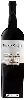
Winery ManoroNegroamaro
 Red wine


In the mouth this red wine is a powerful mainly marked by the residual sugar.
This wine generally goes well with beef, lamb or pasta.

Taste structure of the Negroamaro from the Winery Manoro
Light | Bold | |
Smooth | Tannic | |
Dry | Sweet | |
Soft | Acidic |
In the mouth the Negroamaro of Winery Manoro in the region of Puglia is a powerful mainly marked by the residual sugar.
Food and wine pairings with Negroamaro
Pairings that work perfectly with Negroamaro



Original food and wine pairings with Negroamaro
The Negroamaro of Winery Manoro matches generally quite well with dishes of beef, pasta or lamb such as recipes of boles de picolat (catalan meatballs), pasta with chicken and curry or lamb biryani.
Details and technical informations about Winery Manoro's Negroamaro.
Discover the grape variety: Dornfelder
Intensely coloured, fruity reds with a dense purple robe, soft tannins and a generous palate, with aromas of black cherry, blackberry, plum and floral notes. Made as light easy-drinking reds, popular semi-dry cuvées and more structured barrel-aged versions. The second most planted red variety in Germany (Palatinate, Rheinhessen, Württemberg). Cross of helfensteiner × heroldrebe created in 1955 in Weinsberg by August Herold.
Last vintages of this wine

The best vintages of Negroamaro from Winery Manoro are 2019, 2017, 0, 2018 and 2016.
Informations about the Winery Manoro
The Winery Manoro is one of of the world's greatest estates. It offers 4 wines for sale in the of Puglia to come and discover on site or to buy online.

The wine region of Puglia
Heel of the boot, 80% red vineyard, sunny and generous. Fleshy, jammy Primitivo (= Zinfandel) with notes of black cherry, plum, chocolate and spices, powerful alcohol and melted tannins, a star in Primitivo di Manduria. Deep, structured Negroamaro (black-bitter) with a bitter finish in Salice Salentino. Structured Nero di Troia, spicy Susumaniello.
The word of the wine: Extra raw
Champagne dosed between 0 and 6 grams of sugar (see dosage liqueur).