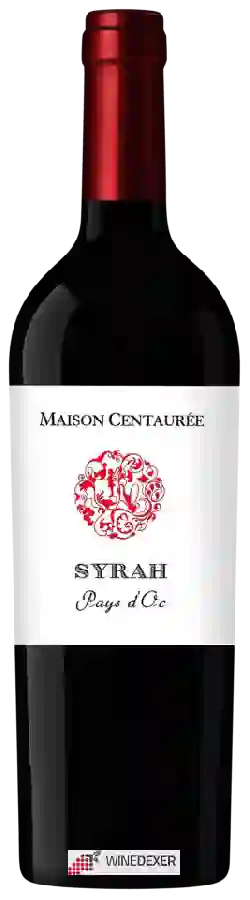
Maison CentauréeSyrah
 Red wine
In the mouth this red wine is a powerful with a nice balance between acidity and tannins.
This wine generally goes well with beef, veal or pasta.

Taste structure of the Syrah from the Maison Centaurée
Light | Bold | |
Smooth | Tannic | |
Dry | Sweet | |
Soft | Acidic |
In the mouth the Syrah of Maison Centaurée in the region of Pays d'Oc is a powerful with a nice balance between acidity and tannins.
Food and wine pairings with Syrah
Pairings that work perfectly with Syrah



Original food and wine pairings with Syrah
The Syrah of Maison Centaurée matches generally quite well with dishes of beef, pasta or veal such as recipes of monkfish tail with white butter, pasta with neapolitan sauce and mushrooms or veal tagine with peas.
Details and technical informations about Maison Centaurée's Syrah.
Discover the grape variety: Tinta Cão
Structured and elegant reds with a deep ruby colour, firm tannins and dense palate, with signature aromas of red fruit (cherry, raspberry), plum, spices, flowers (violet) and balsamic notes. Very late-ripening and low-yielding, with magnificent ageing potential. An essential component of great vintage Ports and age-worthy Douro DOC, one of the five classic Port varieties. An indigenous Portuguese black variety from the Douro with a strong aromatic identity.
Informations about the Maison Centaurée
The Maison Centaurée is one of of the world's greatest estates. It offers 7 wines for sale in the of Pays d'Oc to come and discover on site or to buy online.

The wine region of Pays d'Oc
The single-grape IGP par excellence: modern, accessible, frank and fruity wines, the popular signature of the Midi. Spicy Syrah reds (pepper, blackberry), round Merlot, structured Cabernet, generous Grenache, supple Cinsault. Crisp, tangy rosés. Opulent Chardonnay whites, lively Sauvignon, floral, apricoty Viognier.
The word of the wine: Tannic
Said of an astringent wine rich in tannins.








