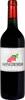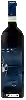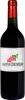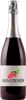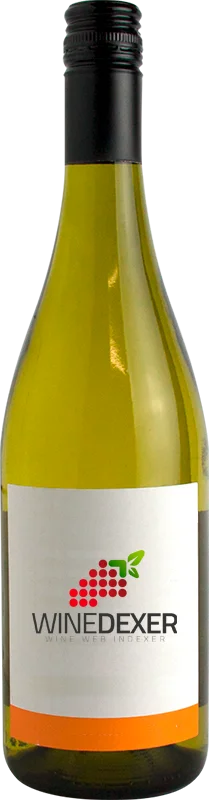
Winery MainerdoMoscato d'Asti Runc
 White wine
This wine generally goes well with sweet desserts
Food and wine pairings with Moscato d'Asti Runc
Pairings that work perfectly with Moscato d'Asti Runc

Original food and wine pairings with Moscato d'Asti Runc
The Moscato d'Asti Runc of Winery Mainerdo matches generally quite well with dishes of sweet desserts such as recipes of express cherry clafoutis.
Details and technical informations about Winery Mainerdo's Moscato d'Asti Runc.
Discover the grape variety: Attiki
Variety obtained in Greece by Vassilis Mikos by crossing the Alphonse Lavallée with the black monukka, registered at the end of 2002 in the Official Catalogue of table grape varieties list A1.
Informations about the Winery Mainerdo
The Winery Mainerdo is one of of the world's great estates. It offers 27 wines for sale in the of Moscato d'Asti to come and discover on site or to buy online.

The wine region of Moscato d'Asti
The wine region of Moscato d'Asti is located in the region of Piémont of Italy. Wineries and vineyards like the Domaine DiCello or the Domaine Marco Negri produce mainly wines sparkling, white and sweet. The most planted grape varieties in the region of Moscato d'Asti are Brachetto, they are then used in wines in blends or as a single variety. On the nose of Moscato d'Asti often reveals types of flavors of tree fruit, orange blossom or yellow apple and sometimes also flavors of fresh strawberries, raspberry or cherry.
The wine region of Piedmont
Piedmont (Piemonte) holds an unrivalled place among the world's finest wine regions. Located in northwestern Italy, it is home to more DOCG wines than any other Italian region, including such well-known and respected names as Barolo, Barbaresco and Barbera d'Asti. Though famous for its Austere, Tannic, Floral">floral reds made from Nebbiolo, Piedmont's biggest success story in the past decade has been Moscato d'Asti, a Sweet, Sparkling white wine. Piedmont Lies, as its name suggests, at the foot of the Western Alps, which encircle its northern and western sides and form its naturally formidable border with Provence, France.
The word of the wine: Phenolic ripeness
A distinction is made between the ripeness of sugars and acids and the ripeness of tannins and other compounds such as anthocyanins and tannins, which will bring structure and colour. Grapes can be measured at 13° potential without having reached this phenolic maturity. Vinified at this stage, they will give hard, astringent wines, without charm.