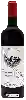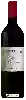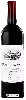
Château CruzeauFleur de Jaugue Saint-Émilion Grand Cru
 Red wine


This wine is a blend of 2 varietals which are the Cabernet franc and the Merlot.
In the mouth this red wine is a powerful with a nice balance between acidity and tannins.
This wine generally goes well with poultry, beef or game (deer, venison).

Taste structure of the Fleur de Jaugue Saint-Émilion Grand Cru from the Château Cruzeau
Light | Bold | |
Smooth | Tannic | |
Dry | Sweet | |
Soft | Acidic |
In the mouth the Fleur de Jaugue Saint-Émilion Grand Cru of Château Cruzeau in the region of Bordeaux is a powerful with a nice balance between acidity and tannins.
Food and wine pairings with Fleur de Jaugue Saint-Émilion Grand Cru
Pairings that work perfectly with Fleur de Jaugue Saint-Émilion Grand Cru



Original food and wine pairings with Fleur de Jaugue Saint-Émilion Grand Cru

The Fleur de Jaugue Saint-Émilion Grand Cru of Château Cruzeau matches generally quite well with dishes of beef, lamb or game (deer, venison) such as recipes of navarin of the sea da gigi, rack of lamb with herbs or duck breast with honey and raspberry vinegar.
Details and technical informations about Château Cruzeau's Fleur de Jaugue Saint-Émilion Grand Cru.
Discover the grape variety: Cabernet franc
Supple, fragrant reds with fine tannins and vibrant freshness, showing raspberry, violet, green pepper, pencil lead and gentle spice aromas. Star of the Loire as a single variety (Chinon, Bourgueil, Saumur-Champigny) and of the right bank of Bordeaux in blends (Cheval Blanc at 60%). Also in semi-dry Anjou rosés. A historic Bordeaux variety, parent of Cabernet-Sauvignon, Merlot and Carmenère.
Last vintages of this wine
The best vintages of Fleur de Jaugue Saint-Émilion Grand Cru from Château Cruzeau are 2014
Informations about the Château Cruzeau
The Château Cruzeau is one of of the world's greatest estates. It offers 4 wines for sale in the of Saint-Émilion Grand Cru to come and discover on site or to buy online.

The wine region of Saint-Émilion Grand Cru
Higher tier of Saint-Émilion on Bordeaux's right bank: velvety, complex reds dominated by Merlot (round, silky foundation with aromas of ripe plum, blackcurrant, violet, leather, chocolate and smoke) with spicy Cabernet Franc and structuring Cabernet Sauvignon. Fine tannins, balanced acidity, ages 3 to 30 years. Notes evolving toward tobacco, leather and chocolate at maturity. AOC stricter than Saint-Émilion (yields, minimum 12-month ageing, mandatory tasting panel).
The wine region of Bordeaux
World-renowned age-worthy reds, led by round Merlot (plum, black fruit) or firm Cabernet Sauvignon (blackcurrant, cedar, graphite), blended with Cabernet Franc and Petit Verdot for tannic structure. Structured Médoc and Graves, velvety Saint-Émilion and Pomerol. Also crisp dry whites (Sauvignon/Sémillon) and opulent sweet Sauternes with honey and candied fruit. A 110,000 ha Gironde vineyard, 65 appellations, cradle of the 1855 classified growths.
The word of the wine: Maturing (champagne)
After riddling, the bottles are stored on "point", upside down, with the neck of one bottle in the bottom of the other. The duration of this maturation is very important: in contact with the dead yeasts, the wine takes on subtle aromas and gains in roundness and fatness. A brut without year must remain at least 15 months in the cellar after bottling, a vintage 36 months.