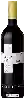
Winery Luis Segundo CorreasValle Las Acequias Syrah Oak (Roble)
 Red wine


In the mouth this red wine is a powerful with a nice balance between acidity and tannins.
This wine generally goes well with poultry, beef or game (deer, venison).

Taste structure of the Valle Las Acequias Syrah Oak (Roble) from the Winery Luis Segundo Correas
Light | Bold | |
Smooth | Tannic | |
Dry | Sweet | |
Soft | Acidic |
In the mouth the Valle Las Acequias Syrah Oak (Roble) of Winery Luis Segundo Correas in the region of Mendoza is a powerful with a nice balance between acidity and tannins.
Food and wine pairings with Valle Las Acequias Syrah Oak (Roble)
Pairings that work perfectly with Valle Las Acequias Syrah Oak (Roble)



Original food and wine pairings with Valle Las Acequias Syrah Oak (Roble)

The Valle Las Acequias Syrah Oak (Roble) of Winery Luis Segundo Correas matches generally quite well with dishes of beef, lamb or game (deer, venison) such as recipes of fleischnacka leaf, shoulder of lamb in a crust or roast wild boar with beer.
Details and technical informations about Winery Luis Segundo Correas's Valle Las Acequias Syrah Oak (Roble).
Discover the grape variety: Helfensteiner
Supple, fruity reds with a clear ruby colour, lightly marked tannins and a charming palate, showing signature aromas of cherry, raspberry, gentle spices and floral notes. Early, airy profile to drink young. Today marginal but preserved for its genetic value in Württemberg, famous for giving rise to Dornfelder (with Heroldrebe). German black variety obtained in 1931 at Weinsberg, a cross of Frühburgunder × Trollinger.
Last vintages of this wine
The best vintages of Valle Las Acequias Syrah Oak (Roble) from Winery Luis Segundo Correas are 0
Informations about the Winery Luis Segundo Correas
The Winery Luis Segundo Correas is one of of the world's great estates. It offers 38 wines for sale in the of Mendoza to come and discover on site or to buy online.

The wine region of Mendoza
World capital of Malbec: powerful, deep reds with blackberry, plum, violet and sweet spice, round tannins and vivid fruit. Also firm Cabernet Sauvignon, supple, juicy Bonarda, aromatic floral white Torrontés. High-altitude vineyards (800-1,700 m) at the foot of the Andes, dry continental climate irrigated by glacial waters. ~80% of Argentine output across 150,000 ha.
The word of the wine: Blanc de noirs (champagne)
Champagne made from black grapes (pinot noir and/or meunier) only.