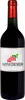
Winery LudvikFrankovka Modrá Neskorý Zber
 Red wine
This wine generally goes well with pork, rich fish (salmon, tuna etc) or mature and hard cheese.
Food and wine pairings with Frankovka Modrá Neskorý Zber
Pairings that work perfectly with Frankovka Modrá Neskorý Zber



Original food and wine pairings with Frankovka Modrá Neskorý Zber
The Frankovka Modrá Neskorý Zber of Winery Ludvik matches generally quite well with dishes of pork, rich fish (salmon, tuna etc) or mature and hard cheese such as recipes of croque madame, spaghetti neapolitan style or salmon crumble.
Details and technical informations about Winery Ludvik's Frankovka Modrá Neskorý Zber.
Discover the grape variety: Gringet
Gringet is an ancient grape variety. It comes from the Arve valley, in Haute Savoie. It is very similar to Savagnin. This white grape variety has small bunches. Its berries are small, round and have a yellow-green skin that turns golden yellow when ripe. Generally, the gringet opens 10 days after the chasselas. Its production remains reasonable. Due to its drooping growth habit, it is recommended that this variety be trained and pruned short, as it is very sensitive to mildew and also fears erinosis and powdery mildew. It is one of those grape varieties that have an average second ripening period. It produces a wine that is light and lively at the same time, with some floral notes. It can also be used to make sparkling or semi-sparkling wines.
Informations about the Winery Ludvik
The Winery Ludvik is one of of the world's great estates. It offers 28 wines for sale in the of Južnoslovenská to come and discover on site or to buy online.

The wine region of Južnoslovenská
The wine region of Južnoslovenská of Slovak Republic. Wineries and vineyards like the Chateau Belá or the Domaine Strekov 1075 produce mainly wines white, red and pink. The most planted grape varieties in the region of Južnoslovenská are Cabernet-Sauvignon, Riesling and Pinot gris, they are then used in wines in blends or as a single variety. On the nose of Južnoslovenská often reveals types of flavors of grapefruit, slate or oil and sometimes also flavors of non oak, earth or microbio.
The word of the wine: Tartar (deposit)
White, chalky deposits that occur as a result of precipitation inside bottles and are often considered by consumers as a defect. They are in fact tartaric salts formed by tartaric acid, potassium and calcium naturally present in the wine. This deposit does not alter the quality of the wine and can be eliminated by a simple decanting.