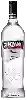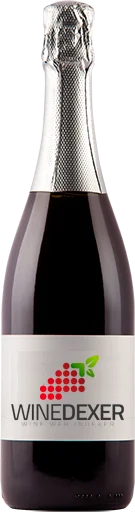
Winery Luce del SoleProsecco
 Sparkling wine
In the mouth this sparkling wine is a with a nice vivacity and a fine and pleasant bubble.
This wine generally goes well with vegetarian, appetizers and snacks or shellfish.
Taste structure of the Prosecco from the Winery Luce del Sole
Light | Bold | |
Soft | Acidic | |
Gentle | Fizzy |
In the mouth the Prosecco of Winery Luce del Sole in the region of Veneto is a with a nice vivacity and a fine and pleasant bubble.
Food and wine pairings with Prosecco
Pairings that work perfectly with Prosecco



Original food and wine pairings with Prosecco


The Prosecco of Winery Luce del Sole matches generally quite well with dishes of shellfish, vegetarian or appetizers and snacks such as recipes of armorican-style squid, zucchini and goat cheese quiche or lebanese hummus.
Details and technical informations about Winery Luce del Sole's Prosecco.
Discover the grape variety: Muscat de Hambourg
Muscat de Hambourg noir is a grape variety that originated in . It produces a variety of grapes used to make wine. However, it can also be found eating on our tables! This variety of grape is characterized by large bunches and large grapes. Muscat de Hambourg noir can be found in several vineyards: South-West, Cognac, Bordeaux, Languedoc & Roussillon, Provence & Corsica, Rhone Valley, Loire Valley, Savoie & Bugey, Beaujolais, Armagnac.
Informations about the Winery Luce del Sole
The Winery Luce del Sole is one of of the world's greatest estates. It offers 10 wines for sale in the of Prosecco to come and discover on site or to buy online.

The wine region of Prosecco
The wine region of Prosecco is located in the region of Vénétie of Italy. We currently count 1461 estates and châteaux in the of Prosecco, producing 2419 different wines in conventional, organic and biodynamic agriculture. The wines of Prosecco go well with generally quite well with dishes .
The wine region of Veneto
Veneto is an important and growing wine region in northeastern Italy. Veneto is administratively Part of the Triveneto area, aLong with its smaller neighbors, Trentino-Alto Adige and Friuli-Venezia Giulia. In terms of geography, culture and wine styles, it represents a transition from the Alpine and Germanic-Slavic end of Italy to the warmer, drier, more Roman lands to the South. Veneto is slightly smaller than the other major Italian wine regions - Piedmont, Tuscany, Lombardy, Puglia and Sicily - but it produces more wine than any of them.
The word of the wine: Tanin
A natural compound contained in the skin of the grape, the seed or the woody part of the bunch, the stalk. The maceration of red wines allows the extraction of tannins, which give the texture, the solidity and also the mellowness when the tannins are "ripe". The winemaker seeks above all to extract the tannins from the skin, the ripest and most noble. The tannins of the seed or stalk, which are "greener", especially in average years, give the wine hardness and astringency. The wines of Bordeaux (based on Cabernet and Merlot) are full of tannins, those of Burgundy much less so, with Pinot Noir containing little.