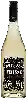
Bodegas LozanoAmalía Brut
 Sparkling wine


In the mouth this sparkling wine is a with a nice vivacity and a fine and pleasant bubble.
This wine generally goes well with appetizers and snacks, lean fish or shellfish.
Taste structure of the Amalía Brut from the Bodegas Lozano
Light | Bold | |
Soft | Acidic | |
Gentle | Fizzy |
In the mouth the Amalía Brut of Bodegas Lozano in the region of Castille is a with a nice vivacity and a fine and pleasant bubble.
Wine flavors and olphactive analysis

On the nose the Amalía Brut of Bodegas Lozano in the region of Castille often reveals types of flavors of apples, lemon or pear and sometimes also flavors of microbio, tree fruit or citrus fruit.
Food and wine pairings with Amalía Brut
Pairings that work perfectly with Amalía Brut



Original food and wine pairings with Amalía Brut

The Amalía Brut of Bodegas Lozano matches generally quite well with dishes of shellfish, appetizers and snacks or lean fish such as recipes of shrimp and zucchini with curry and coconut milk, radicchio and pancetta rolls or oven marinated swordfish.
Details and technical informations about Bodegas Lozano's Amalía Brut.
Discover the grape variety: Parellada
The white Parellada is a grape variety that originated in France (Spain). It produces a variety of grape specially used for the elaboration of wine. It is rare to find this grape to eat on our tables. This variety of grape is characterized by large bunches of grapes of medium size. The white Parellada can be found cultivated in these vineyards: Languedoc & Roussillon, South West.
Last vintages of this wine

The best vintages of Amalía Brut from Bodegas Lozano are 2008
Informations about the Bodegas Lozano
The Bodegas Lozano is one of of the world's greatest estates. It offers 80 wines for sale in the of Castille to come and discover on site or to buy online.

The wine region of Castille
Castilla-La Mancha is a large region located South and east of the Spanish capital, Madrid. Inexpensive table wines are produced from a variety of Grapes. Higher quality wines are increasingly available, but the region is traditionally known as a source of low quality bulk wine. More than half of Spain's grapes are grown here.
The word of the wine: Rosé de saignée
A method of making rosé wine that consists of partially draining a vat of red wine after a few hours of maceration. The longer the maceration, the stronger the colour. This practice gives rich and expressive rosés.