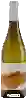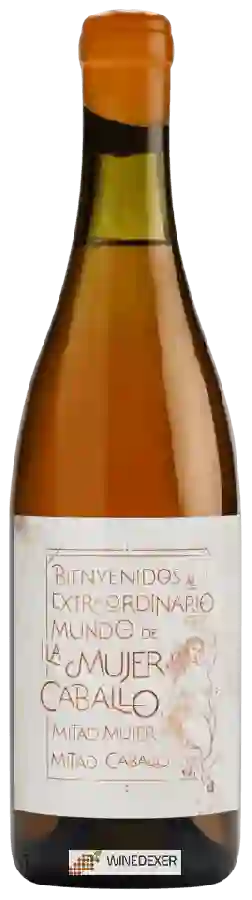
Winery LoxeraLa Mujer Caballo Naranja
 White wine



This wine generally goes well with

Wine flavors and olphactive analysis

On the nose the La Mujer Caballo Naranja of Winery Loxera in the region of Valence often reveals types of flavors of earth, citrus fruit.
Details and technical informations about Winery Loxera's La Mujer Caballo Naranja.
Discover the grape variety: Prunelar
Fruity and fresh reds for early drinking, ruby colour, soft tannins and light mouth with fresh acidity, with signature aromas of red fruits (cherry, sloe), sweet spices and floral notes. Patrimonial South-West profile. Preserved in a few heritage plots and varietal collections, studied as a witness of pre-phylloxera South-West ampelography. Rare autochthonous French black grape from Tarn and Quercy.
Last vintages of this wine
The best vintages of La Mujer Caballo Naranja from Winery Loxera are 0
Informations about the Winery Loxera
The Winery Loxera is one of of the world's greatest estates. It offers 8 wines for sale in the of Valence to come and discover on site or to buy online.

The wine region of Valence
Sunny Mediterranean Levant, sun-drenched accessible wines. Monastrell (Mourvèdre) star red in Alicante: fleshy and deep with black fruits, garrigue, leather and spice, firm tannins. Round, fruity Bobal from Utiel-Requena, supple Garnacha, juicy Tempranillo. Fresh whites: light Merseguera, aromatic Moscatel (fresh grape, flowers).
The word of the wine: Sulphites
Chemical compounds derived from sulphur (better known in the wine world as SO2) and used by winemakers for their antiseptic, antioxidant and antioxidant properties.