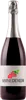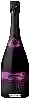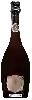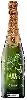
Winery Louis de VernierCava Reserva Cuvée Brut Nature
 Sparkling wine


In the mouth this sparkling wine is a with a nice vivacity and a fine and pleasant bubble.
This wine generally goes well with appetizers and snacks, lean fish or shellfish.

Taste structure of the Cava Reserva Cuvée Brut Nature from the Winery Louis de Vernier
Light | Bold | |
Soft | Acidic | |
Gentle | Fizzy |
In the mouth the Cava Reserva Cuvée Brut Nature of Winery Louis de Vernier in the region of Cava is a with a nice vivacity and a fine and pleasant bubble.
Food and wine pairings with Cava Reserva Cuvée Brut Nature
Pairings that work perfectly with Cava Reserva Cuvée Brut Nature



Original food and wine pairings with Cava Reserva Cuvée Brut Nature


The Cava Reserva Cuvée Brut Nature of Winery Louis de Vernier matches generally quite well with dishes of shellfish, appetizers and snacks or lean fish such as recipes of blanquette of monkfish and scallops, apple chips or haddock with milk.
Details and technical informations about Winery Louis de Vernier's Cava Reserva Cuvée Brut Nature.
Discover the grape variety: Négret pounjut
Light, simple fruity reds with a lightly coloured light ruby robe, silky tannins and an airy palate with moderate acidity, showing undemonstrative aromas of red fruits. Discreet, rustic profile. Almost extinct, preserved in INRAE varietal collections for its heritage value, bearing witness to the pre-phylloxera ampelographic diversity of the South-West. Rare French black grape, formerly grown in the South-West.
Last vintages of this wine
The best vintages of Cava Reserva Cuvée Brut Nature from Winery Louis de Vernier are 0
Informations about the Winery Louis de Vernier
The Winery Louis de Vernier is one of of the world's great estates. It offers 10 wines for sale in the of Cava to come and discover on site or to buy online.

The wine region of Cava
Spain's star traditional-method sparkler, the Iberian equivalent of Champagne. Three Catalan grapes blended: Macabeo (apple, freshness), Xarel-lo (body and herbaceous notes), Parellada (elegance and floral finesse). Chardonnay and Pinot Noir also allowed. From fruit-driven Brut to Gran Reserva (30 months on lees) with brioche and toasted notes.
The word of the wine: Faded
Said of a wine that has lost its brilliance and depth. It can also be used to describe the nose of an old wine that has lost its aromatic freshness.