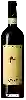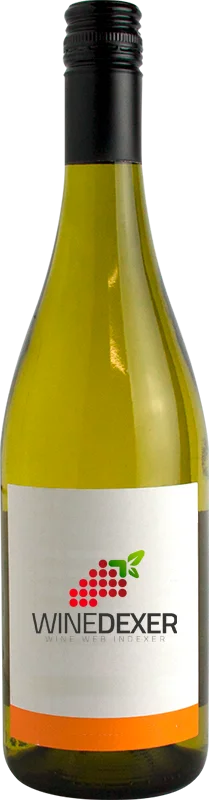
Winery Lionel DufourMoscato d'Asti Dolce Vita
 Sweet wine
This wine generally goes well with fruity desserts and aperitif.
Food and wine pairings with Moscato d'Asti Dolce Vita
Pairings that work perfectly with Moscato d'Asti Dolce Vita


Original food and wine pairings with Moscato d'Asti Dolce Vita
The Moscato d'Asti Dolce Vita of Winery Lionel Dufour matches generally quite well with dishes of fruity desserts or aperitif such as recipes of the coughing cat's apple crumble or kale chips.
Details and technical informations about Winery Lionel Dufour's Moscato d'Asti Dolce Vita.
Discover the grape variety: Italia
Intraspecific cross between Bicane and Hamburg Muscat obtained in Italy in 1911 by Luigi and Alberto Pirovano of Vaprio d'Adda, entered in the Official Catalogue of Table Grape Varieties, list A1.
Informations about the Winery Lionel Dufour
The Winery Lionel Dufour is one of wineries to follow in Moscato d'Asti.. It offers 270 wines for sale in the of Moscato d'Asti to come and discover on site or to buy online.

The wine region of Moscato d'Asti
The wine region of Moscato d'Asti is located in the region of Piémont of Italy. Wineries and vineyards like the Domaine DiCello or the Domaine Marco Negri produce mainly wines sparkling, white and sweet. The most planted grape varieties in the region of Moscato d'Asti are Brachetto, they are then used in wines in blends or as a single variety. On the nose of Moscato d'Asti often reveals types of flavors of tree fruit, orange blossom or yellow apple and sometimes also flavors of fresh strawberries, raspberry or cherry.
The wine region of Piedmont
Piedmont (Piemonte) holds an unrivalled place among the world's finest wine regions. Located in northwestern Italy, it is home to more DOCG wines than any other Italian region, including such well-known and respected names as Barolo, Barbaresco and Barbera d'Asti. Though famous for its Austere, Tannic, Floral">floral reds made from Nebbiolo, Piedmont's biggest success story in the past decade has been Moscato d'Asti, a Sweet, Sparkling white wine. Piedmont Lies, as its name suggests, at the foot of the Western Alps, which encircle its northern and western sides and form its naturally formidable border with Provence, France.
The word of the wine: Deposit
Solid particles that can naturally coat the bottom of a bottle of wine. It is rather a guarantee that the wine has not been mistreated: in fact, to avoid the natural deposit, rather violent processes of filtration or cold passage (- 7 or - 8 °C) are used in order to precipitate the tartar (the small white crystals that some people confuse with crystallized sugar: just taste to dissuade you from it)