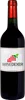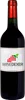
Winery LiapisRapsani
 Red wine



In the mouth this red wine is a powerful with a nice balance between acidity and tannins.
This wine generally goes well with poultry, veal or game (deer, venison).
The Rapsani of the Winery Liapis is in the top 5 of wines of Rapsani.

Taste structure of the Rapsani from the Winery Liapis
Light | Bold | |
Smooth | Tannic | |
Dry | Sweet | |
Soft | Acidic |
In the mouth the Rapsani of Winery Liapis in the region of Thessalia is a powerful with a nice balance between acidity and tannins.
Wine flavors and olphactive analysis




On the nose the Rapsani of Winery Liapis in the region of Thessalia often reveals types of flavors of non oak, earth or vegetal and sometimes also flavors of oak, spices or red fruit.
Food and wine pairings with Rapsani
Pairings that work perfectly with Rapsani



Original food and wine pairings with Rapsani


The Rapsani of Winery Liapis matches generally quite well with dishes of lamb, veal or game (deer, venison) such as recipes of tunisian haja, simple and fragrant roast veal or cassoulet with duck confit.
Discover the grape variety: Xinomavro
Structured, taut reds with a clear ruby robe that quickly evolves towards tawny, firm tannins and sharp high acidity (hence its name, xino-mavro = acid-black), with aromas of red cherry, sun-dried tomato, black olive, dried herbs, spice, leather and balsamic notes. Fine ageing potential, often compared to Nebbiolo. Absolute star of Naoussa PDO in Greek Macedonia, also Amyndeo PDO. Very late-ripening autochthonous Greek variety.
Last vintages of this wine
The best vintages of Rapsani from Winery Liapis are 2017, 2016, 0
Informations about the Winery Liapis
The Winery Liapis is one of of the world's greatest estates. It offers 4 wines for sale in the of Rapsani to come and discover on site or to buy online.

The wine region of Rapsani
PDO of Thessaly on the foothills of Mount Olympus (Larissa district, vineyards 250–600 m on south-east slopes, iron-rich schist soils, 10–15°C diurnal range, tempered by the Aegean, PDO 1971): Xinomavro, Krassato and Stavroto are the indigenous signature varieties blended in equal parts as the iconic red — dense, structured, renowned as the nectar of the Olympian gods, concentrated red fruits and firm tannins. Mandatory co-vinification.
The wine region of Thessalia
Greek continental IGP (Larissa, Magnesia, Karditsa, Trikala) between Olympus, the Pindus and the Aegean, altitude vineyards, dry continental climate. Limniona signature indigenous red king in full revival: elegant and fresh with red cherry, raspberry, Mediterranean herbs, fine spices and floral touch, fine tannins and vibrant acidity — compared to Greek Pinot Noir. Structured Xinomavro in red, saline Assyrtiko and floral Malagousia in identity whites.
The word of the wine: Grenache gris
A grey variety of Grenache grown in the Pyrénées-Orientales, the Aude and the southern Rhône valley. Its powerful and round wines are used in the blending of dry white or rosé wines and natural sweet wines.