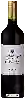
Chateau Vieux LiametFronsac
 Red wine
This wine generally goes well with poultry, beef or game (deer, venison).

Food and wine pairings with Fronsac
Pairings that work perfectly with Fronsac



Original food and wine pairings with Fronsac

The Fronsac of Chateau Vieux Liamet matches generally quite well with dishes of beef, lamb or game (deer, venison) such as recipes of venison stew to be prepared the day before, lamb collar with mustard or home-made cassoulet.
Details and technical informations about Chateau Vieux Liamet's Fronsac.
Discover the grape variety: Bargine
Simple, fresh dry whites with a pale golden robe, a supple palate with moderate acidity, and undemonstrative aromas of citrus and white flowers. Rustic, discreet profile. Preserved in a few ampelographic collections, Bargine is an ancient heritage variety with virtually no commercial presence, studied mainly for its genetic interest.
Informations about the Chateau Vieux Liamet
The Chateau Vieux Liamet is one of of the world's greatest estates. It offers 2 wines for sale in the of Fronsac to come and discover on site or to buy online.

The wine region of Fronsac
Bordeaux AOC on the right bank of the Dordogne at the gates of Libourne: Merlot reigns in red (~80%) with Cabernet Franc — intense, distinguished nose with signature notes of black cherry, raspberry, blackberry, plum, pepper and a spice box, full-bodied palate with firm yet never aggressive tannins evolving toward undergrowth, leather, tobacco and truffle, silky texture with age. AOC (1937), ~830 ha over 7 communes, hilly terroir of 'Fronsadais' limestone molasse and clay-limestone.
The wine region of Bordeaux
World-renowned age-worthy reds, led by round Merlot (plum, black fruit) or firm Cabernet Sauvignon (blackcurrant, cedar, graphite), blended with Cabernet Franc and Petit Verdot for tannic structure. Structured Médoc and Graves, velvety Saint-Émilion and Pomerol. Also crisp dry whites (Sauvignon/Sémillon) and opulent sweet Sauternes with honey and candied fruit. A 110,000 ha Gironde vineyard, 65 appellations, cradle of the 1855 classified growths.
The word of the wine: Marcottage
A vine reproduction technique that consists of burying a vine shoot that takes root and reproduces a plant with the same characteristics as the vine to which it is attached (synonym: provignage).