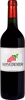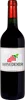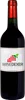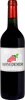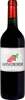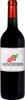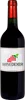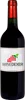
Winery LiakouAsproparis Malagouzia
 wine
wine
This wine generally goes well with
The Asproparis Malagouzia of the Winery Liakou is in the top 0 of wines of Meteora.
Details and technical informations about Winery Liakou's Asproparis Malagouzia.
Discover the grape variety: Ora
A variety resulting from a cross between (Cinsaut x Csaba pearl) by the cardinal. In 1989, it was registered in the Official Catalogue of Varieties list A1.
Last vintages of this wine


The best vintages of Asproparis Malagouzia from Winery Liakou are 0
Informations about the Winery Liakou
The Winery Liakou is one of of the world's greatest estates. It offers 10 wines for sale in the of Meteora to come and discover on site or to buy online.

The wine region of Meteora
The wine region of Meteora is located in the region of Trikala of Thessalia of Greece. Wineries and vineyards like the Domaine Tsililis or the Domaine Tsililis produce mainly wines red, white and sparkling. The most planted grape varieties in the region of Meteora are Cabernet-Sauvignon, Assyrtiko and Merlot, they are then used in wines in blends or as a single variety. On the nose of Meteora often reveals types of flavors of grapefruit, tropical fruit or floral and sometimes also flavors of black fruit, red fruit or spices.
The wine region of Thessalia
The wine region of Thessalia of Greece. Wineries and vineyards like the Domaine Dougos or the Domaine Thymiopoulos produce mainly wines white, red and pink. The most planted grape varieties in the region of Thessalia are Assyrtiko, Xinomavro and Cabernet-Sauvignon, they are then used in wines in blends or as a single variety. On the nose of Thessalia often reveals types of flavors of cherry, red fruit or savory and sometimes also flavors of non oak, earth or microbio.
The word of the wine: Nervous
Said of a wine that leaves its mark on the palate with its strong characters and a hint of acidity, but without excess.