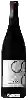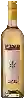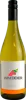
Les Vignerons de TrémoineMuscat de Rivesaltes
 Natural sweet wine


This wine generally goes well with spicy food and sweet desserts.
Food and wine pairings with Muscat de Rivesaltes
Pairings that work perfectly with Muscat de Rivesaltes


Original food and wine pairings with Muscat de Rivesaltes
The Muscat de Rivesaltes of Les Vignerons de Trémoine matches generally quite well with dishes of spicy food or sweet desserts such as recipes of caramelized lamb mice or gaufress and light.
Details and technical informations about Les Vignerons de Trémoine's Muscat de Rivesaltes.
Discover the grape variety: Cornalin du Valais
Very old vine cultivated in the Swiss Valais, resulting from a natural crossing between the petit rouge(*) and the mayolet. It is the father of red humagne, also called cornalin d'Aoste, the grandfather of durize or petit rouge du Valais or rouge de Fully and a relative of goron. - Synonymy: old red of Valais, red of the country in Switzerland, landroter (for all the synonyms of the grape varieties, click here!). - Description: medium-sized bunches, cylindrical, winged, compact, strong medium-sized peduncles with little lignification; medium-sized berries, spherical or short elliptical, skin of a beautiful bluish black colour with a lot of bloom. The foliage turns completely red in the fall. - Production potential: early budding in the year. Capricious and difficult variety. Particularly likes the limestone soils of well exposed hillsides that warm up quickly enough, lean and well drained. Semi-erect bearing, vigorous with irregular production. Resists well to winter frosts. Susceptible to the main diseases, especially to oidium and grey rot. Also susceptible to magnesium deficiency and stalk dehydration. Maturity: 3rd early season
Informations about the Les Vignerons de Trémoine
The Les Vignerons de Trémoine is one of of the world's greatest estates. It offers 31 wines for sale in the of Muscat de Rivesaltes to come and discover on site or to buy online.

The wine region of Muscat de Rivesaltes
The wine region of Muscat de Rivesaltes is located in the region of Rivesaltes of Languedoc-Roussillon of France. Wineries and vineyards like the Domaine Boudau or the Domaine Lafage produce mainly wines natural sweet, sweet and white. The most planted grape varieties in the region of Muscat de Rivesaltes are Melon et Muscadelle, they are then used in wines in blends or as a single variety. On the nose of Muscat de Rivesaltes often reveals types of flavors of earth, spices or melon and sometimes also flavors of mango, dried apricot or non oak.
The wine region of Languedoc-Roussillon
Languedoc (formerly Coteaux du Languedoc) is a key appellation used in the Languedoc-Roussillon wine region of southern France. It covers Dry table wines of all three colors (red, white and rosé) from the entire region, but leaves Sweet and Sparkling wines to other more specialized appellations. About 75% of all Languedoc wines are red, with the remaining 25% split roughly down the middle between whites and rosés. The appellation covers most of the Languedoc region and almost a third of all the vineyards in France.
The word of the wine: Performance
Quantity of grapes harvested per hectare. In AOC, the average yield is limited on the proposal of the appellation syndicate, validated by the Inao. The use of high-performance plant material (especially clones) and better control of vine diseases have increased yields. This is not without consequences on the quality of the wines (dilution) and on the state of the market (too much wine). We must not over-simplify: low yields are not synonymous with quality, and it is often in years with generous harvests that we find the greatest vintages (1982 and 1986 in Bordeaux, 1996 in Champagne, 1990 and 2005 in Burgundy...).