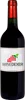
Les Petites CavesCôtes de Provence
 Pink wine


In the mouth this pink wine is a with a nice freshness.
This wine generally goes well with pork, vegetarian or poultry.
Taste structure of the Côtes de Provence from the Les Petites Caves
Light | Bold | |
Dry | Sweet | |
Soft | Acidic |
In the mouth the Côtes de Provence of Les Petites Caves in the region of Provence is a with a nice freshness.
Food and wine pairings with Côtes de Provence
Pairings that work perfectly with Côtes de Provence



Original food and wine pairings with Côtes de Provence

The Côtes de Provence of Les Petites Caves matches generally quite well with dishes of pork, shellfish or vegetarian such as recipes of spaghetti carbonara, mussels with white wine and tomato or quiche with leeks and fresh salmon from flo.
Details and technical informations about Les Petites Caves's Côtes de Provence.
Discover the grape variety: Goruli mtsvane
An endemic Georgian grape variety, known since ancient times, it is most regularly found today in the Kartli and Imereti regions. It is practically unknown in other wine-producing countries. It should not be confused with, among others, Mtsvane Kakhuri and Gorula Mtsvane (table grapes), which are also white and native to Georgia.
Last vintages of this wine

The best vintages of Côtes de Provence from Les Petites Caves are 2008
Informations about the Les Petites Caves
The Les Petites Caves is one of of the world's greatest estates. It offers 19 wines for sale in the of Côtes de Provence to come and discover on site or to buy online.

The wine region of Côtes de Provence
The AOC Côtes de Provence is the largest appellation in the Provence wine region of southeastern France. It covers about 20,000 hectares of vineyards, which produce the vast majority of Provence's rosé wine. This appellation includes most of the vineyards in the Var department - essentially the eastern half of the Provence wine region - with the exception of 2,250 hectares North of Toulon which are reserved for the Côteaux Varois en Provence appellation. Although it also covers red and white wine, about 80% of Côtes de Provence production is rosé.
The wine region of Provence
Provence is a wine region in the far southeast of France, best known for the quality (and quantity) of its rosé wines and for its Warm, mild Climate. The modernization that is taking place in many of the traditional wine regions of southern France has not yet taken place to the same extent in Provence, but there are Clear signs of change. The region's Grape varieties, in particular, have come under scrutiny in recent decades. Traditional varieties such as Carignan, Barbaroux (Barbarossa from Sardinia) and Calitor are being replaced by more commercially viable varieties such as Grenache, Syrah and even Cabernet Sauvignon.
The word of the wine: Physiological maturity
The stage of ripeness of the grape berry when it has reached an optimal weight and when the sugar and acidity levels have stabilized.