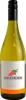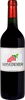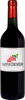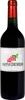
Les Petites CavesBergerac
 Red wine


This wine generally goes well with

Details and technical informations about Les Petites Caves's Bergerac.
Discover the grape variety: Marquette
Structured, fruity reds with a deep ruby robe, melted tannins and high acidity. Aromas of cherry, plum, blackberry, black pepper, spices and herbal notes. Dense palate, tense finish. An extremely cold-hardy interspecific variety (to -38 °C on the vine), it is the signature of American northern viticulture (Minnesota, Vermont, Wisconsin, New York, Iowa) and Canada (Quebec, Ontario). Hybrid created in 2006 by the University of Minnesota (descendant of Pinot Noir).
Informations about the Les Petites Caves
The Les Petites Caves is one of of the world's great estates. It offers 19 wines for sale in the of Bergerac to come and discover on site or to buy online.

The wine region of Bergerac
Affordable cousin of Bordeaux on the Dordogne: signature Merlot-based reds (~65%) — round and fruity with notes of plum, black cherry, blackberry, sweet spices and a tobacco touch, supple tannins, to drink young. Cabernet Sauvignon, Cabernet Franc and Malbec as support. Fresh rosés (~20%). Signature dry and sweet whites (~15%) from Sémillon, Sauvignon and Muscadelle with notes of citrus, boxwood, flowers and honey for the sweet ones.
The wine region of South West
French mosaic of strong identities south of Bordeaux. Cahors and its Malbec ("black wine"): deep reds with notes of blackberry, plum, violet, tobacco and cocoa, firm tannins. Madiran and its dense, age-worthy Tannat. Jurançon whites: golden sweet (apricot, honey, pineapple) and lively dry from Petit Manseng.
The word of the wine: Presses
The juice that results from pressing the grapes after fermentation. At the end of the maceration, the vats are emptied, the first juice obtained is called the free-run wine and the marc remaining at the bottom of the vat is then pressed to give the press wine. We say more quickly "the presses". Their quality varies according to the vintage and the maceration. A too vigorous extraction releases the tannins of pips and the wine of press can then prove to be very astringent. Often the winemaker raises it separately, deciding later whether or not to incorporate it totally or partially into the grand vin.