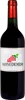
Les Grands Vignobles SudSilgard
 Red wine
This wine generally goes well with beef, veal or pasta.
Food and wine pairings with Silgard
Pairings that work perfectly with Silgard



Original food and wine pairings with Silgard
The Silgard of Les Grands Vignobles Sud matches generally quite well with dishes of beef, pasta or veal such as recipes of monkfish with vegetable tagliatelle, spaghetti with old-fashioned tomato sauce or beef bourguignon with cookéo.
Details and technical informations about Les Grands Vignobles Sud's Silgard.
Discover the grape variety: Verdejo
An ancient grape variety that has been cultivated for a long time, mainly in the Rueda region of northwestern Spain. D.N.A. tests show that it is the result of a natural cross between Savagnin and Castellana Blanco. It should not be confused with the Verdelho, which is very well known in Portugal, and the Verdelho Branco, which is almost more widespread. The Verdejo is registered in the Official Catalogue of wine grape varieties list A. It can also be found in the United States (Virginia, California, etc.), Australia, Portugal, etc., but is practically unknown in France.
Informations about the Les Grands Vignobles Sud
The Les Grands Vignobles Sud is one of wineries to follow in Languedoc.. It offers 13 wines for sale in the of Languedoc to come and discover on site or to buy online.

The wine region of Languedoc
Languedoc (formerly Coteaux du Languedoc) is a key appellation used in the Languedoc-Roussillon wine region of southern France. It covers Dry table wines of all three colors (red, white and rosé) from the entire region, but leaves Sweet and Sparkling wines to other more specialized appellations. About 75% of all Languedoc wines are red, with the remaining 25% split roughly down the middle between whites and rosés. The appellation covers most of the Languedoc region and almost a third of all the vineyards in France.
The wine region of Languedoc-Roussillon
Languedoc (formerly Coteaux du Languedoc) is a key appellation used in the Languedoc-Roussillon wine region of southern France. It covers Dry table wines of all three colors (red, white and rosé) from the entire region, but leaves Sweet and Sparkling wines to other more specialized appellations. About 75% of all Languedoc wines are red, with the remaining 25% split roughly down the middle between whites and rosés. The appellation covers most of the Languedoc region and almost a third of all the vineyards in France.
The word of the wine: Crémant
AOC sparkling wine made by traditional method, with specific constraints in the regions of Alsace, Bordeaux, Burgundy, Die, Jura, Limoux and the Loire Valley, as well as in Luxembourg.